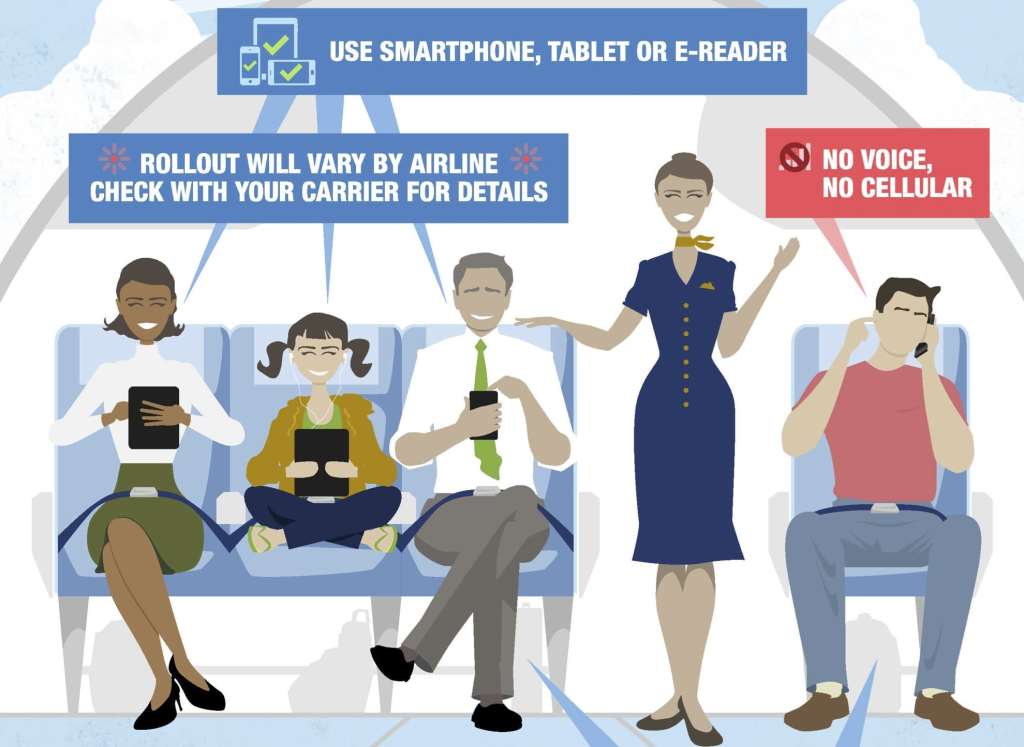
This should be easy enough to understand: Good users sit in rows of three, people talking on a cellphone get their own row. Wait, that's not the message?
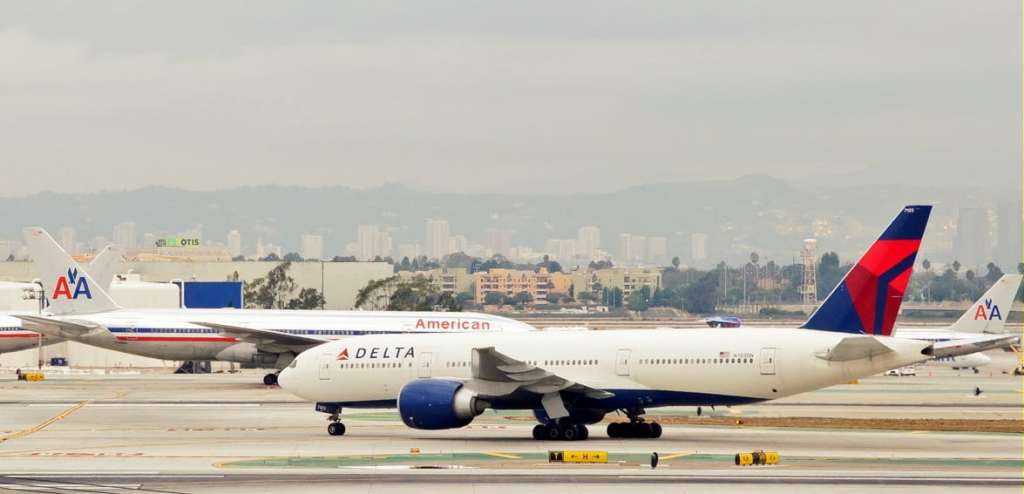
JetBlue and Delta will get a lot of street cred with passengers for being swift in implementing the new procedures for portable electronic devices, although it will be unlikely to change any market share dynamics.
There will be a ton of passenger confusion about what the new FAA framework on expanded use of portable electronic devices will mean for passengers, especially as it may vary airline to airline. Delta is out front in beginning to communicate these prospective changes to its customers.
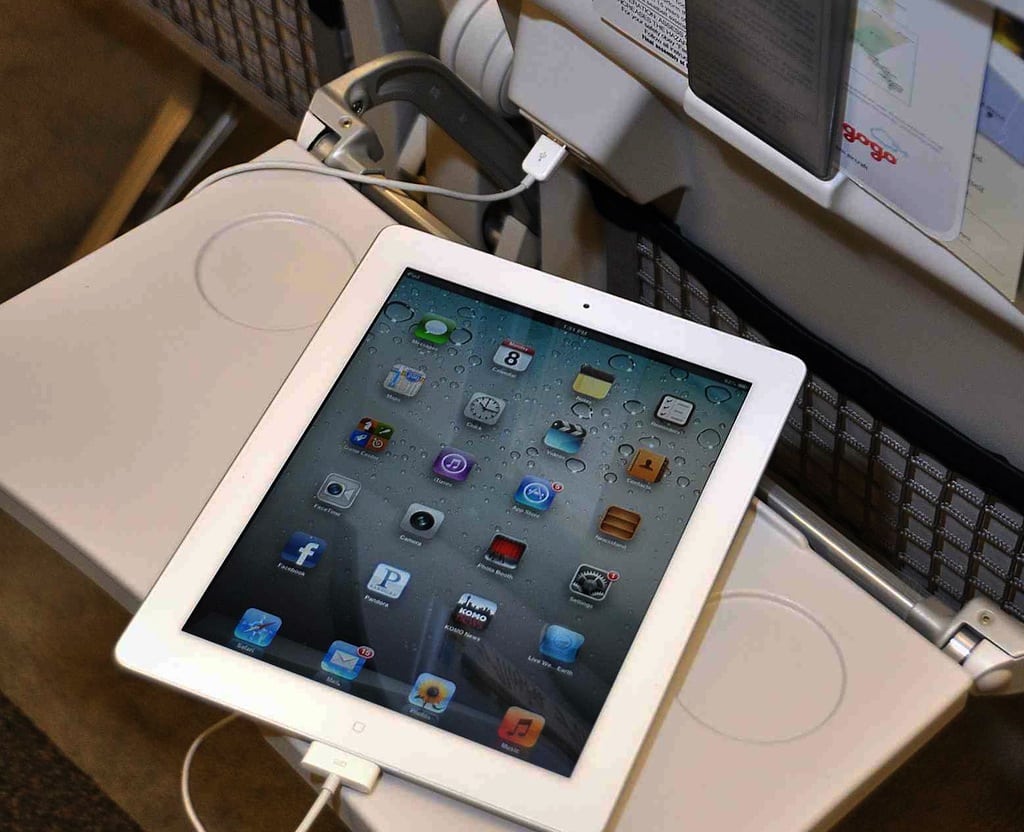
We're all for getting rid of silly rules, but we're also fans of planes working. The FAA committee's recommendation that airlines base their decision on the age and type of planes they are flying -- even if that means we need to keep our Kindles off for 10 minutes -- seems to be the smart way forward.
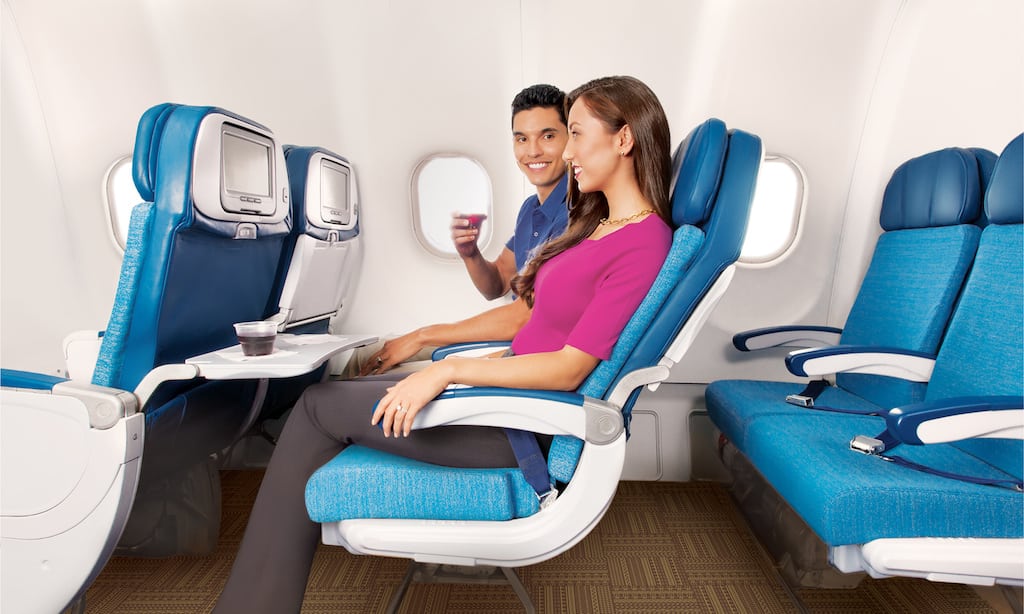
It isn't only the extra legroom, but the power outlets, priority boarding and complimentary entertainment will be enticements to book the Extra Comfort seats on long-haul flights for Hawaiian Airlines.
JetBlue will be walking a tightrope in 2014 as it continues negotiations with pilots. The airline has been falling behind rivals in terms of profit margins, but the struggle to retain pilots means JetBlue is going to have to increase their compensation. This is stuff to keep executives awake at night.
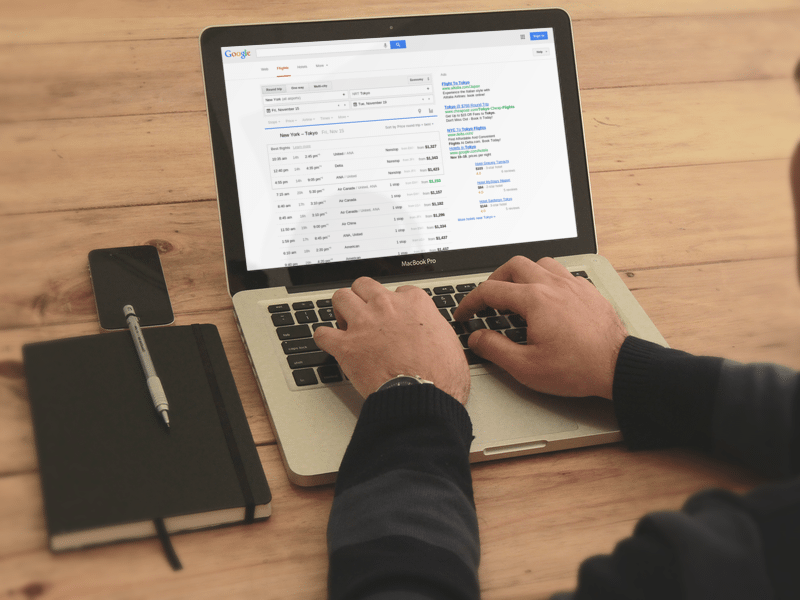
Unless Google is playing possum and lulling competitors into submission, prognostications about the potential impact of Google Flight Search could turn out to be one of the greatest miscalculations in online travel history.
Besides the seasonal factors, the macro picture is that U.S. airlines are cutting flights to improve efficiency, and that also means lower number of full time employees.