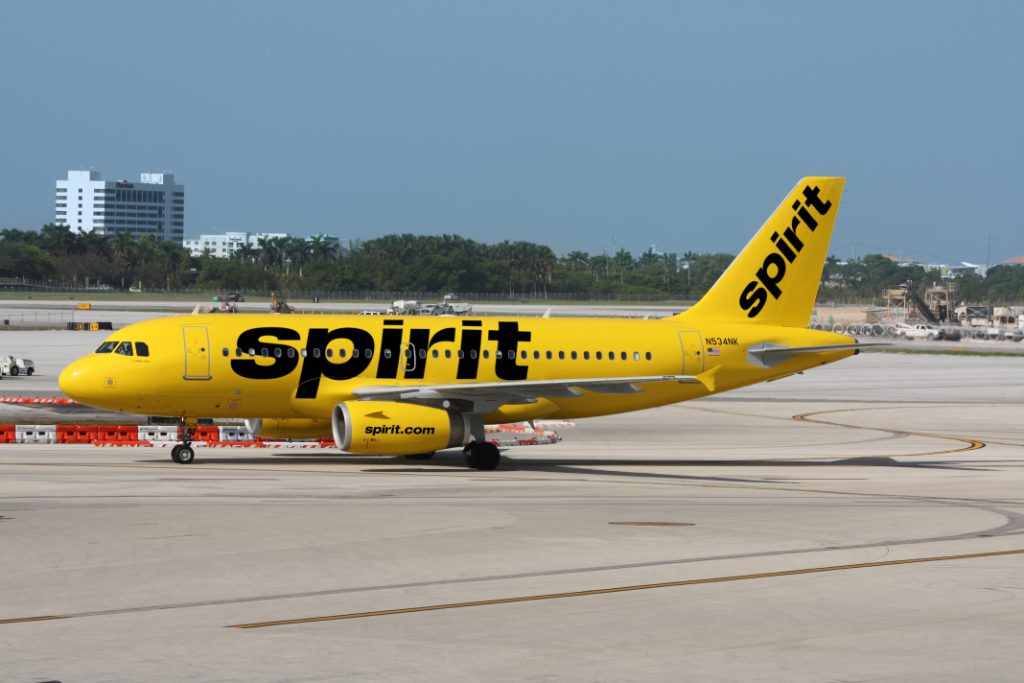
Spirit's decision to buy more airline technology from Sabre signals two things. Sabre has overcome a sales slump. And Spirit is investing to cope with its growth.
The travel technology giant said Wednesday it would go ahead with its planned $360 million acquisition on August 21. If the U.S. federal attorneys aren't happy about it, they can sue, Sabre said. No travel tech company has used, and threatened in public to use, its lawyers as much as Sabre in the past decade.
Higher customer service expectations in the airline industry mandates a new approach to using innovative technology. This means not only deploying solutions to improve direct-to-customer experiences but also empowering employees to provide exceptional service at every touchpoint.
Too many airlines fighting over what is essentially a single market has been a familiar complaint within the European airline industry over the last few years. The legacy airlines, in particular, are still working out how best to compete.
United's change is a sensible move. People should feel more comfortable knowing United's pilots must take their final drink 12 hours prior to reporting for duty, rather than eight. That said, some pilots may still make mistakes.
This week in aviation, we take a critical look at carbon offsets, which don't actually address the industry's emissions problem. Then we have an in-depth story on the viability of El Al as a national carrier and more Max news from Boeing.
Carbon offsetting is by and large a con. The idea that rather than reducing environmentally harmful activities you can simply outsource the solution is ridiculous.
Some national flag airlines no longer have a commercial purpose and probably should go out of business. El Al is not one of those carriers. Tourism in the airline's Israel home market is booming, and El Al should be able to ride the wave.