Airlines aren't always the most customer-centric businesses so any move to make things easier to understand should be welcomed. As usual, we'll believe it when we see it.
Offering up a sacrificial lamb to investors won't do much to solve American Airlines' operational issues, which are multifaceted in nature. Perhaps its new executive structure, though, will let it solve its woes more effectively than before. The rest of the U.S. aviation sector is watching.
Airports and airline carriers should be equipped for an influx of competition in the air travel sector, much of it due to an increasing number of low-cost airlines and secondary airports. To be well-positioned, they should look for partners that have access to qualified audiences at scale.
Is this finally it? Is the Boeing 737 Max returning to service? American Airlines is more confident than ever that the airplane will be ready by January 16, but that remains to be seen.
Airlines spend so much time massaging their public images every time they face a crisis. It's important to remember that for all the woke posturing from these brands, their leaders still often back the leaders more likely to give them tax breaks than support liberal social causes.
The loyalty linkage between Alaska and American hasn't been particularly fluid these last few years. Now it's getting even harder to take advantage of the partnership.
Airlines must move beyond static offers to dynamic, personalized offers that not only take into account what a customer wants, but also what a customer might be willing to pay for it.
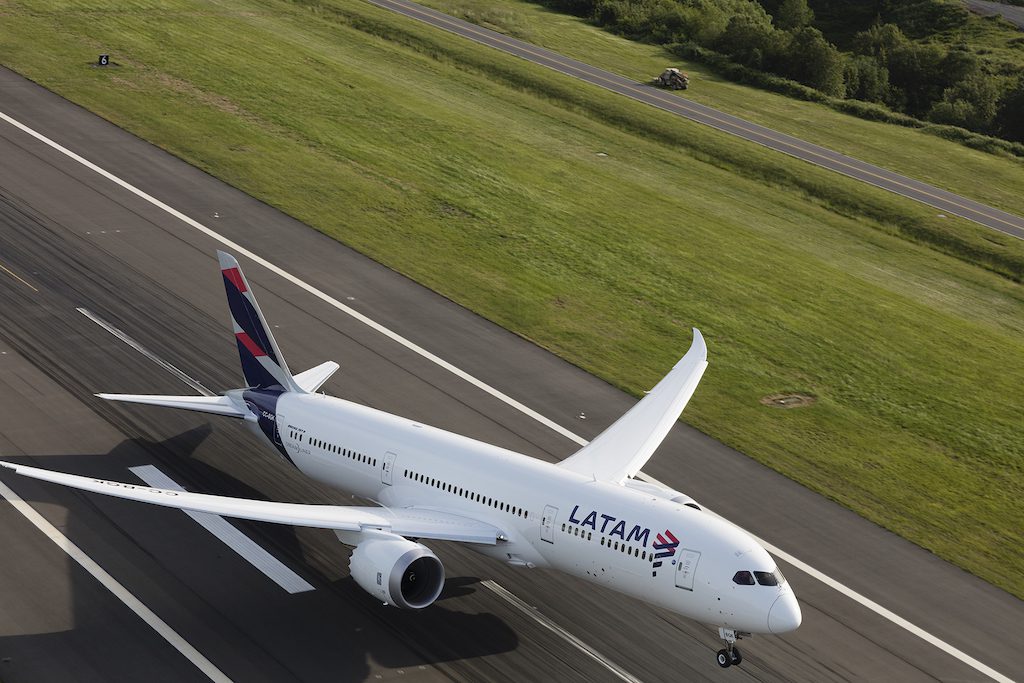
Delta’s planned $1.9 billion investment for a 20 percent stake in Latam is a pretty penny, but the U.S. airline is confident the deal will pay off by expanding its network in South America.
This week in aviation, LAX is barring rideshare vehicles from picking up passengers curbside. Meanwhile, we take a look at the pattern of failure for small European airlines following the collapse of the continent's oldest airline.