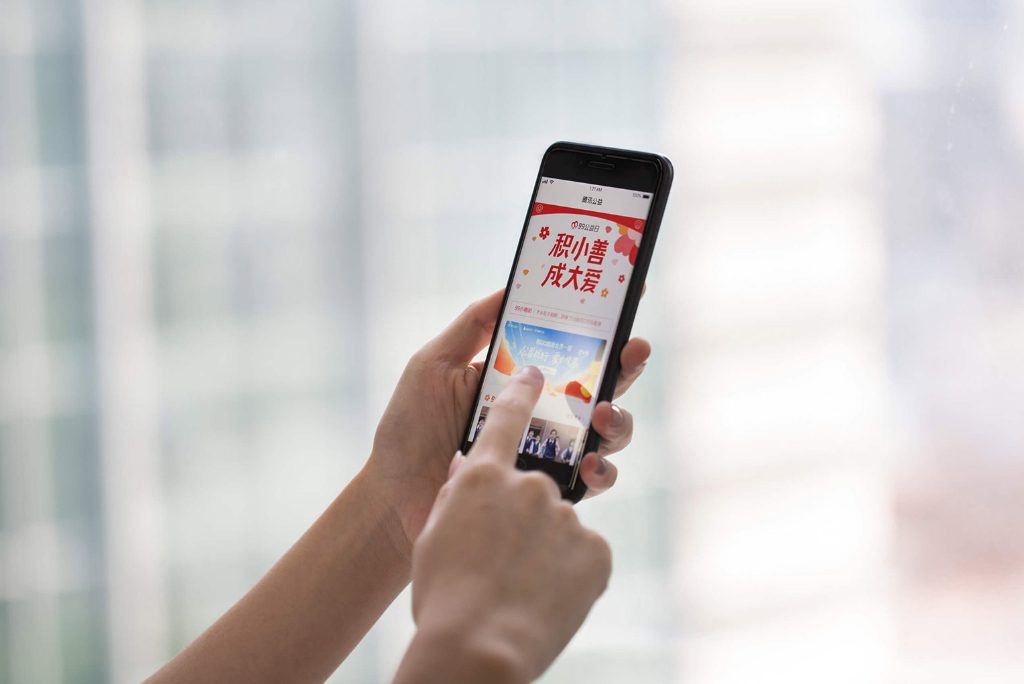
Trump's ban on the Chinese superapp WeChat may turn out to be a mere annoyance for many Chinese travelers. But it could cause real harm to some U.S. travel organizations.
There's a lot of rhetoric about the need to find business models that work for everyone, as the viewpoints of Tesla and Microsoft demonstrate, but there has been little action so far.
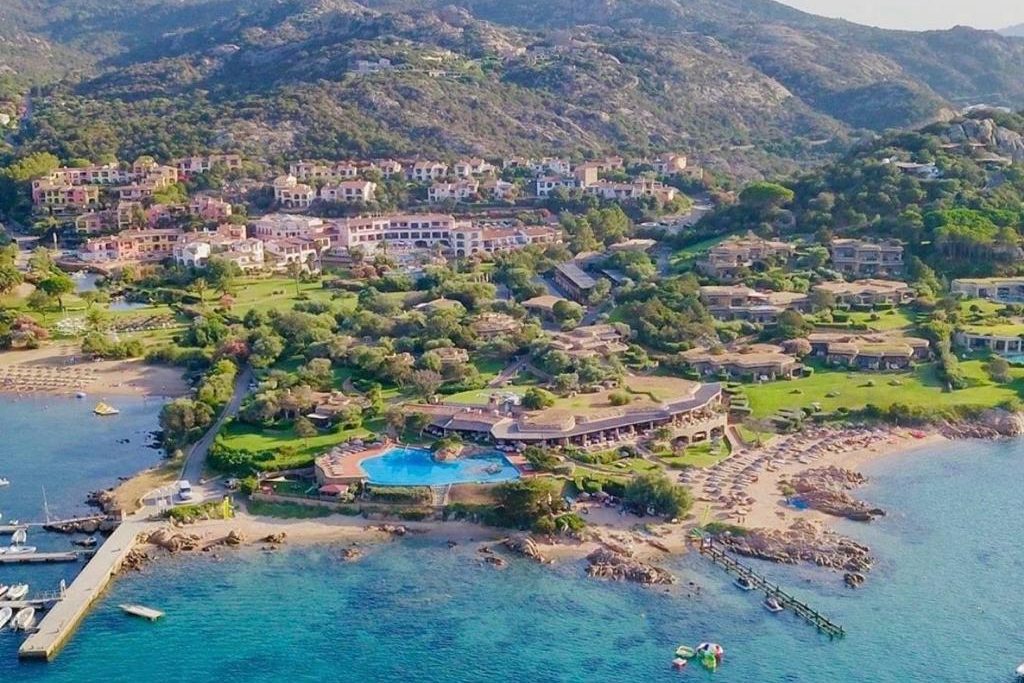
The worst time ever to launch a global expansion of an iconic luxury hotel brand? Maybe not, if you are players like Accor and SBE with enough capital and Delano brand awareness.
It's really tough to judge a brand's performance in the midst of a pandemic, but OpenTable clearly deserved more focus given the fact that travel and dining are completely different businesses. Once again, travel and dining aren't always natural playmates.
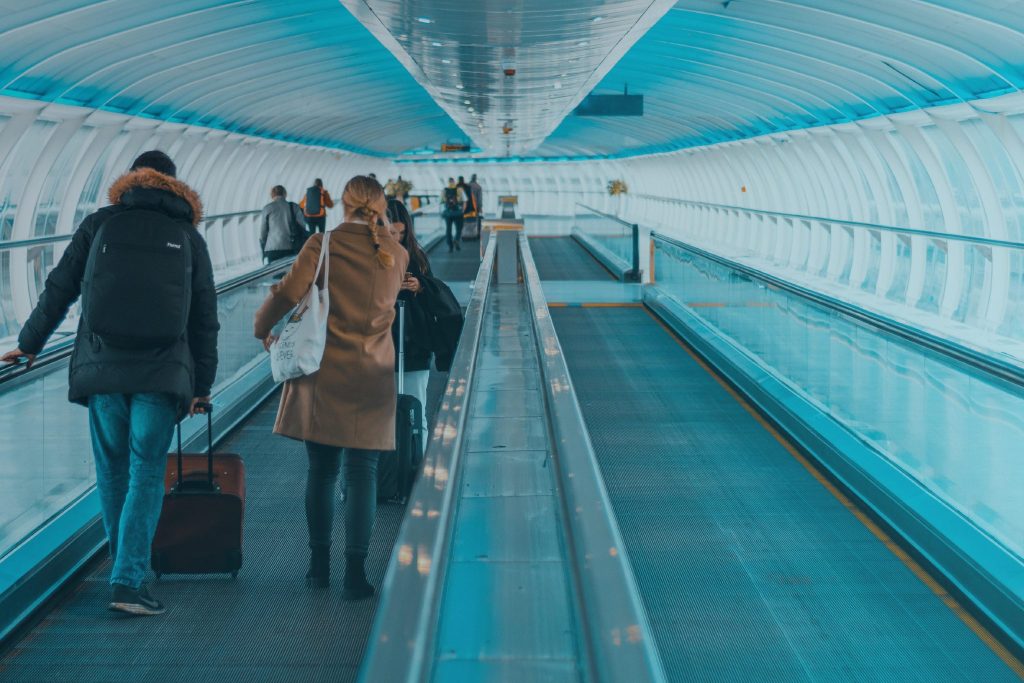
Border closures, flight cancellations, and a host of Covid-19-related restrictions have made consumers less confident about flying. New technologies such as contactless hotel and meal vouchers can help airlines manage flight disruptions more efficiently, thereby easing traveler distress, strengthening brand loyalty, and helping the industry rebound.
Airbnb CEO Brian Chesky said last year he could see his company going public in 2020. What he didn't see was a world turned upside down by a pandemic. If Airbnb ends up trading as a public stock in the coming months, it will be a story for the ages.
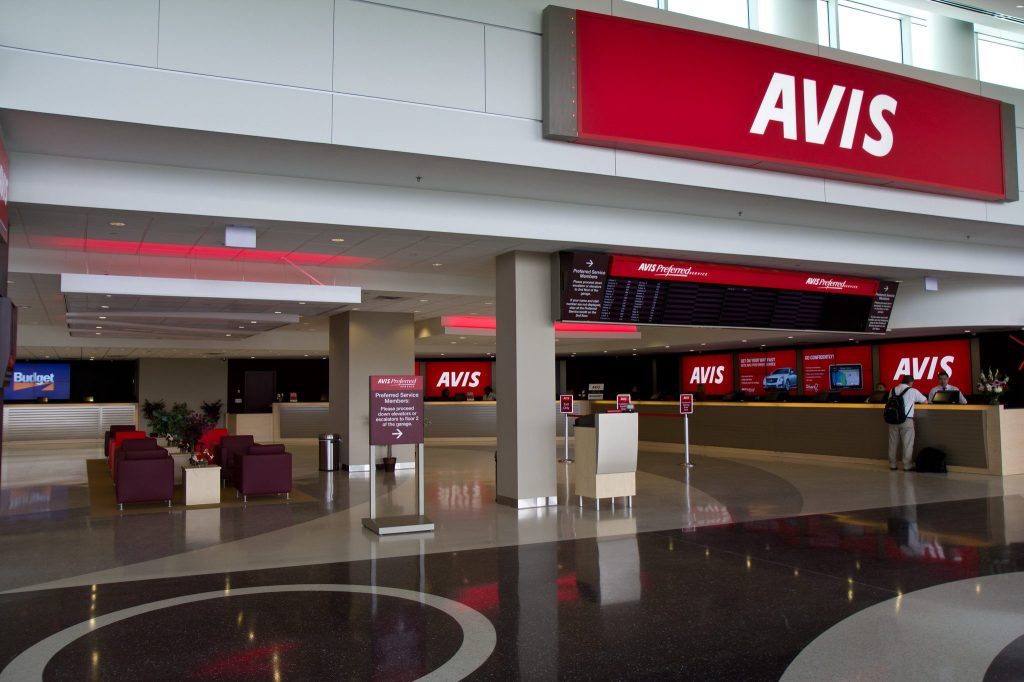
With international travel still mostly off-limits, recovery will depend on how successfully these brands can shift towards off-airport rentals and compete with ridehailing firms like Uber and Lyft.