For many players in Asia’s tours and activities space, dealing with mounting coronavirus cancellations is proving to be a pain point without the aid of robust technology systems in place. This crisis will be a sharp reminder that digitalization is the way to go.
Of particular note this week is that top-tier European venture capital firm Lakestar has bet on two companies: Impala, which helps hotels talk to other businesses, and Limehome, a next-generation hotel brand. Lakestar is best known for having invested early in companies like Airbnb, Skype, and Spotify. The travel sector can use all the smart money it can get.
The coronavirus not only exposes the varying political alignments between Asian governments with China, but also their different approaches to crisis communications, all of which would have knock-on impacts on travel confidence to a country.
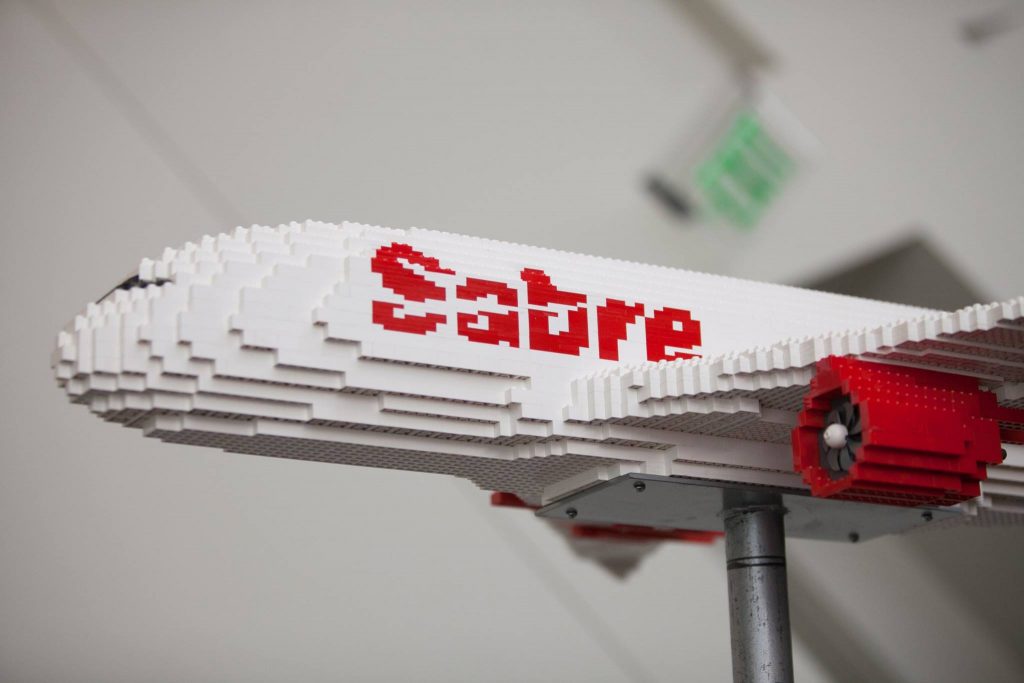
As Sabre fights to acquire Farelogix, it's important to examine exactly why intermediaries are beginning to scoop up the companies built to disintermediate them.
As luxury resorts jockey for ways to differentiate themselves from the pack, a shift toward more environmental practices may help them find new customers. The key, though, is making sure those green efforts come from an authentic — and not purely financial — place.
The straight talk from Diller and Kern will likely delight Wall Street and rankle former management and current employees. Employees will have to buy into the new vision if there's any hope it will become reality.
When Tripadvisor first started diversifying away from its hotel-auction business several years ago, it was mostly aspirational because its experiences and dining businesses were relatively small. Now there is a bit of revenue meat on those bones. Still, meaningful profits will be slow going in this competitive climate.
Wyndham Hotels and Resorts has closed about 1,000 of its hotels in China because of coronavirus. Those that remain are welcoming fewer guests. The outbreak continues to wreak havoc on the travel industry.