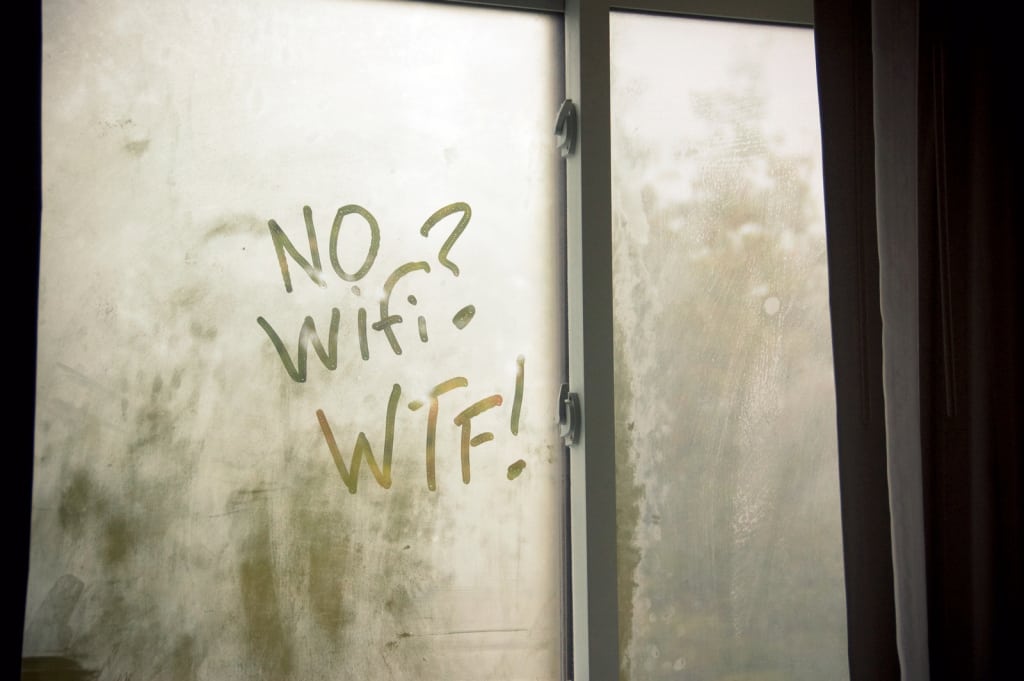
Fair or not, the modern traveler judges hotels by their Wi-Fi forwardness. The American hotel industry has everything to lose and nothing to win in this fight, even if it wins a ruling by FCC.
Skiplagged founder Aktarer Zaman identified a problem -- the seeming arbitrary nature of airfares -- and attacked it. Now United and Orbitz may eat him for lunch.
You many not be able to get much more old-school media than National Geographic, but the brand has innovated in ways that make it less vulnerable to the ebb and flow of advertising dollars than many of its younger peers.
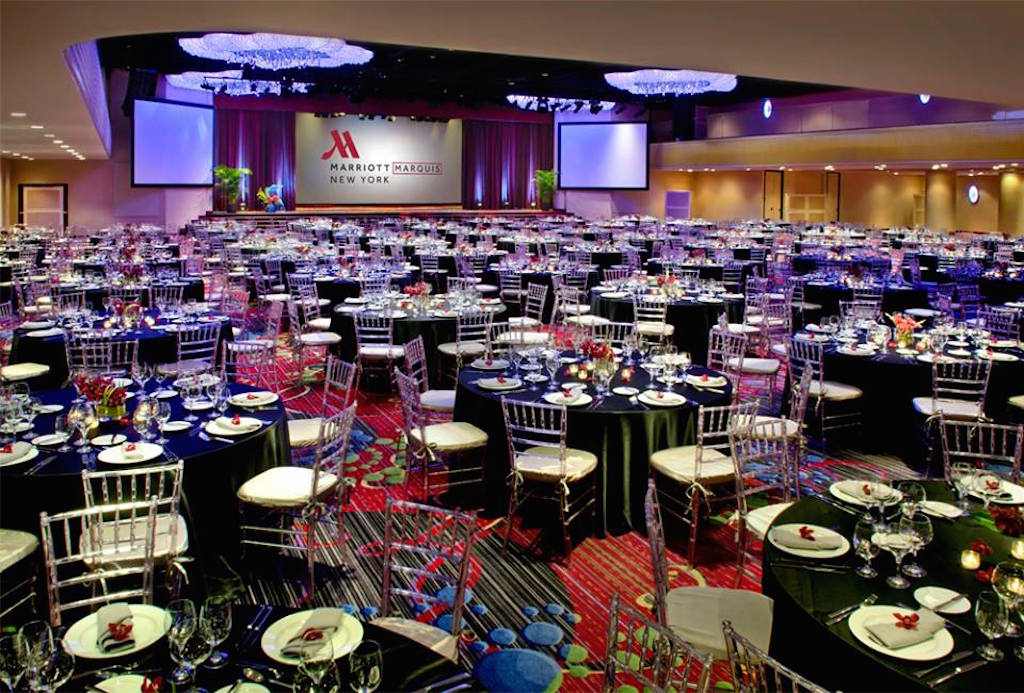
Marriott is claiming that its plans are misunderstood and that it merely seeks permission from the FCC to jam others' Wi-Fi in its conference rooms only. But travelers are telling the FCC that they don't want to be reliant on hotel Wi-Fi in conference rooms and other areas of the hotel.
The overworked, under-vacationed and under-traveled American is a cliche, and 2014 was no different. Hopefully 2015 will see the travel industry band together to figure out better ways to get Americans to take a break; organizations like USTA and brands like MasterCard and Expedia are trying.
Whether it's a spending study that says how much Airbnb contributes to a community or a campaign like this, Airbnb excels at community-minded moves that are squarely focused on its bottom line first.
Skiplagged's hidden-city practices are screwing up Orbitz's relationships with airlines so that's one reason for the lawsuit. Another factor is that startup founder Aktarer Zaman has been outsmarting his adversaries at every turn.