We've known this day would come for quite some time now. The only question left to ask is this: Can Airbnb succeed in becoming a "super brand of travel" like it aspires to be?
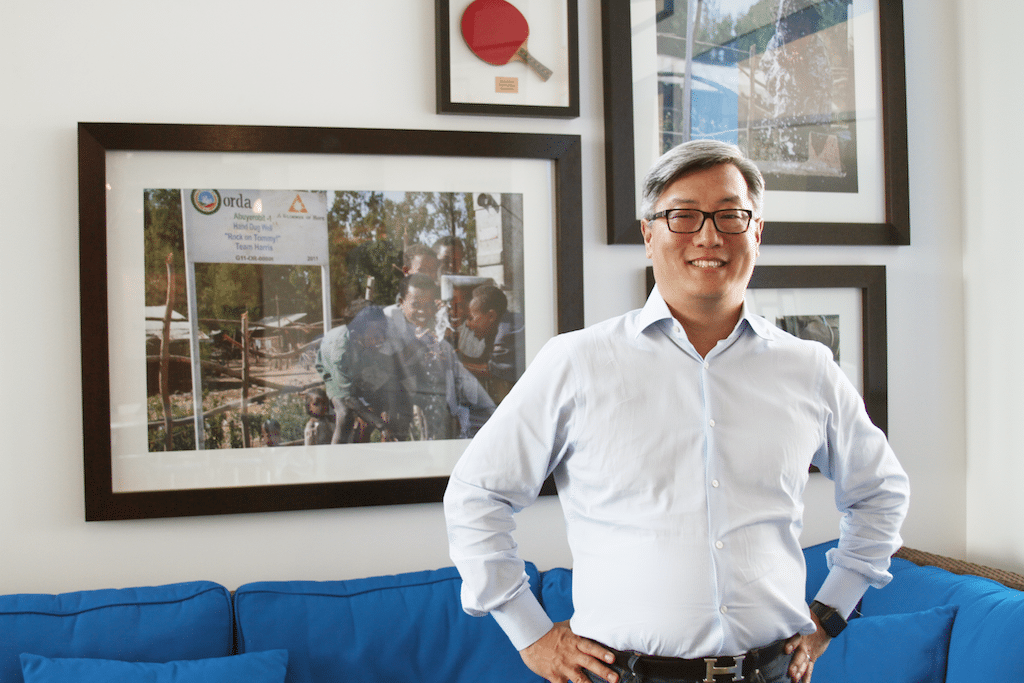
HomeAway president John Kim, after a manner, is trying to turn HomeAway into the type of company that Airbnb is -- one that is focused on technology improvements and a great user experience. In many ways, Kim has the tougher job. He isn't starting from scratch, as Airbnb did, but is attempting to spur changes in a company that has been around since 2005 and grew through a flurry of acquisitions.
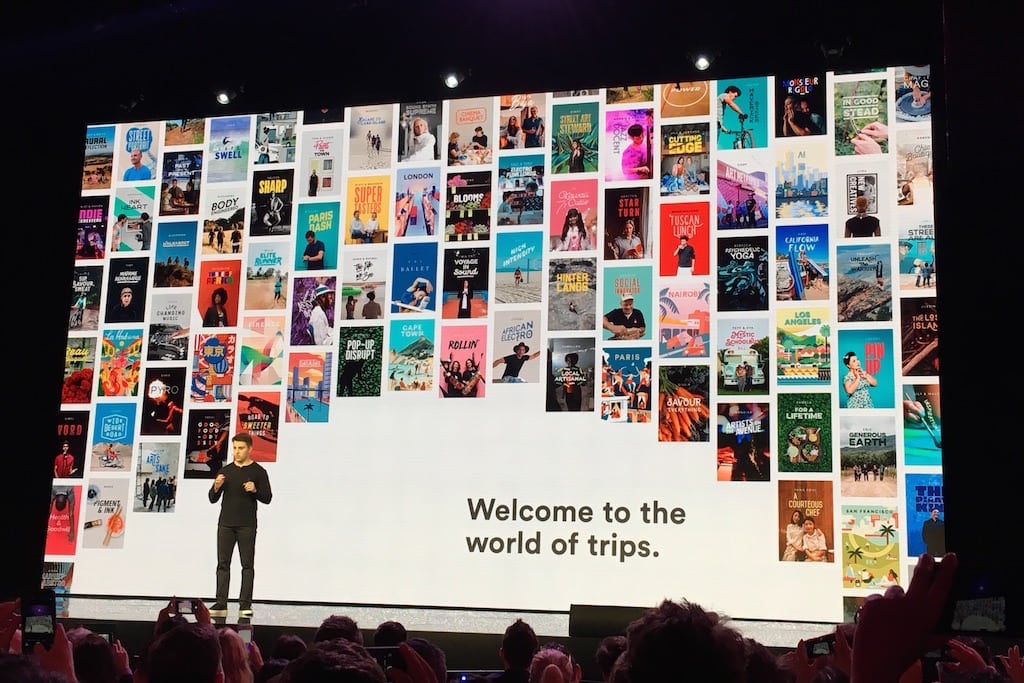
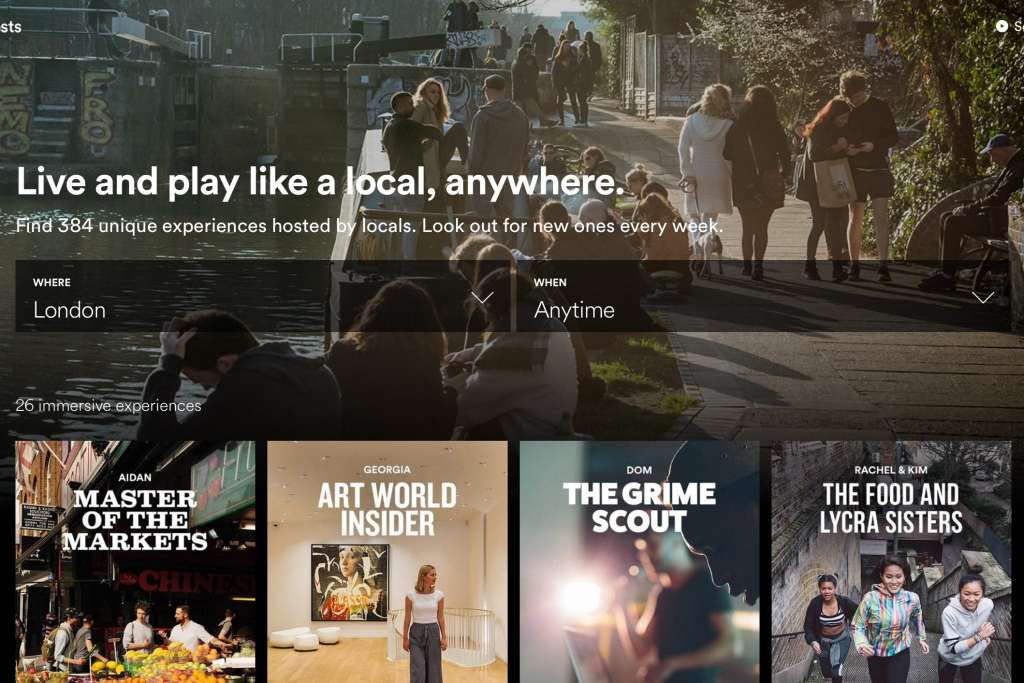
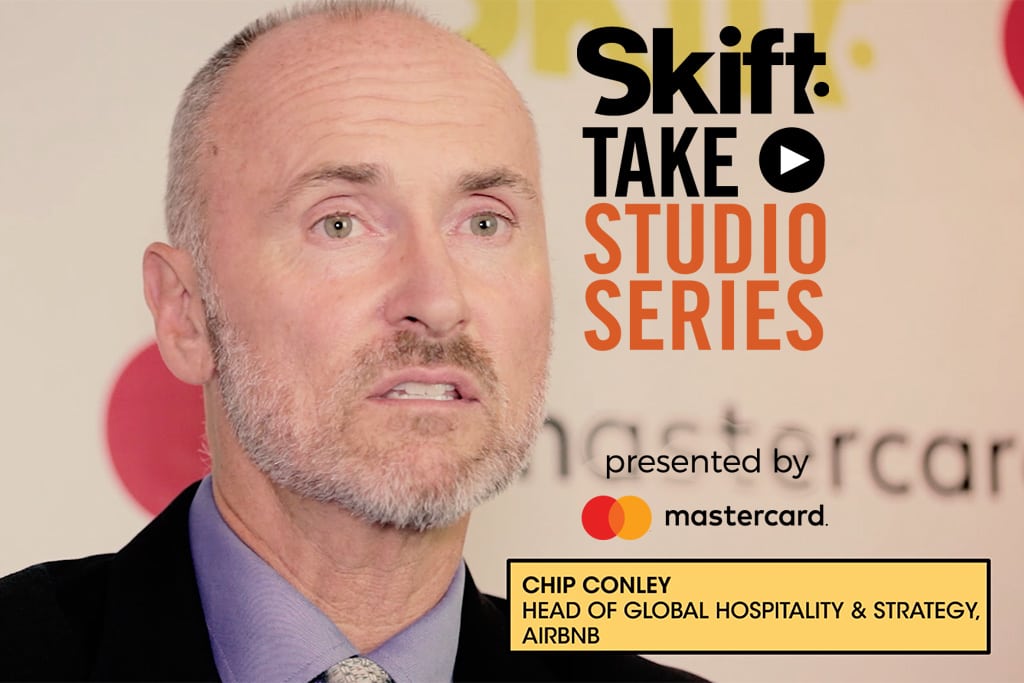
Magical Trips has been an open secret in the travel industry for at least a year now, if not more. But on November 15, Airbnb's head of global hospitality and strategy more or less confirmed it's finally becoming an official reality for the company.
Airbnb seems increasingly focused on forming loyalty links with airlines, especially as the company prepares to branch out into other sectors of travel beyond just accommodations. Could an Airbnb loyalty program be far off?
While kudos should be rightly given to Airbnb for wanting to take a step toward fighting discrimination and bias on its platform, there don't seem to be many changes on its site that would make those efforts even stronger. And the new terms of service make it even clearer that should you be discriminated against on Airbnb by one of its other users, the company does not assume any legal liability.
Wyndham Worldwide, like its peers, is betting big on loyalty, but unlike its peers, it plans on keeping its timeshare and vacation rental businesses all together, instead of spinning them off like others have.
This is a much smarter, more thought-out move on Wyndham Rewards' part, compared to its failed attempt to woo away Starwood Preferred Guest members a few weeks ago. Drawing on its parent company's strong portfolio of vacation rentals and timeshares gives Wyndham Rewards an edge in attracting travelers who desire a wider variety of accommodations when they travel.