When destinations go viral, tensions between locals and visitors can run high. Promoting local food systems can up the ante for residents by maximizing the economic impact of tourism dollars. Building a deeper narrative around local food and culture can also create more fulfilling experiences for the right kind of tourist.
From wild safari getaways to its vibrant colorful cities, Africa has more than enough to tempt the 200 million Chinese tourists forecast to be trotting the globe by 2020. But is enough being done to roll out the welcome mat? It depends where you look.
While the public outcry may have died down while Americans await the Trump administration's next move, the recent travel ban may still be affecting U.S. citizens who are Muslim.
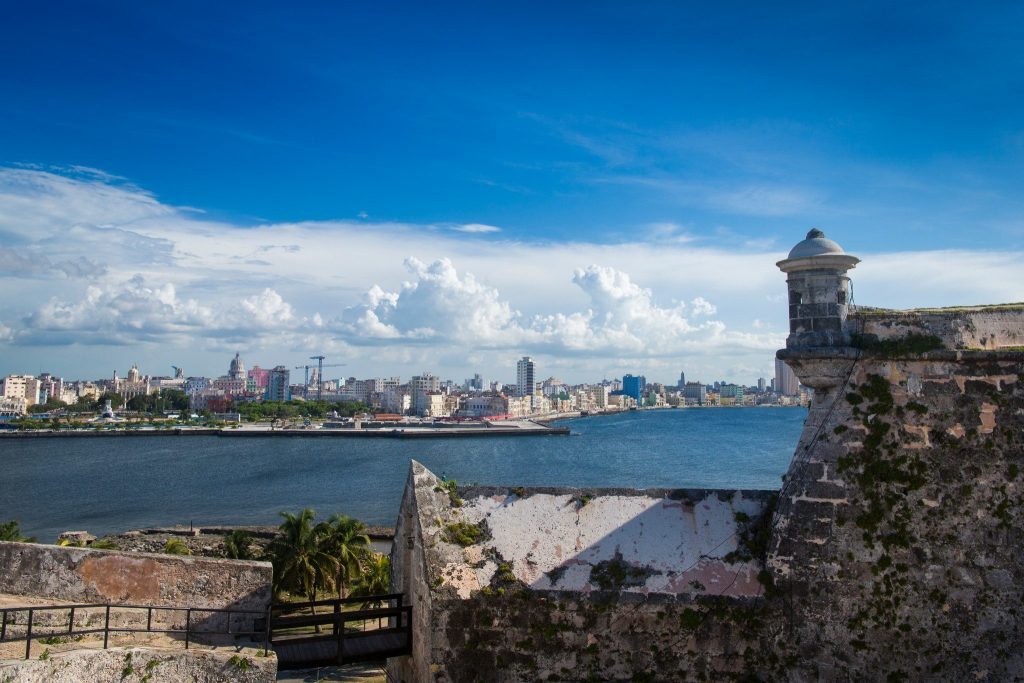
With Carnival Cruise Line now in the mix, all the major mass-market cruise lines now have Cuba on the horizon. The question now is how travelers will respond.
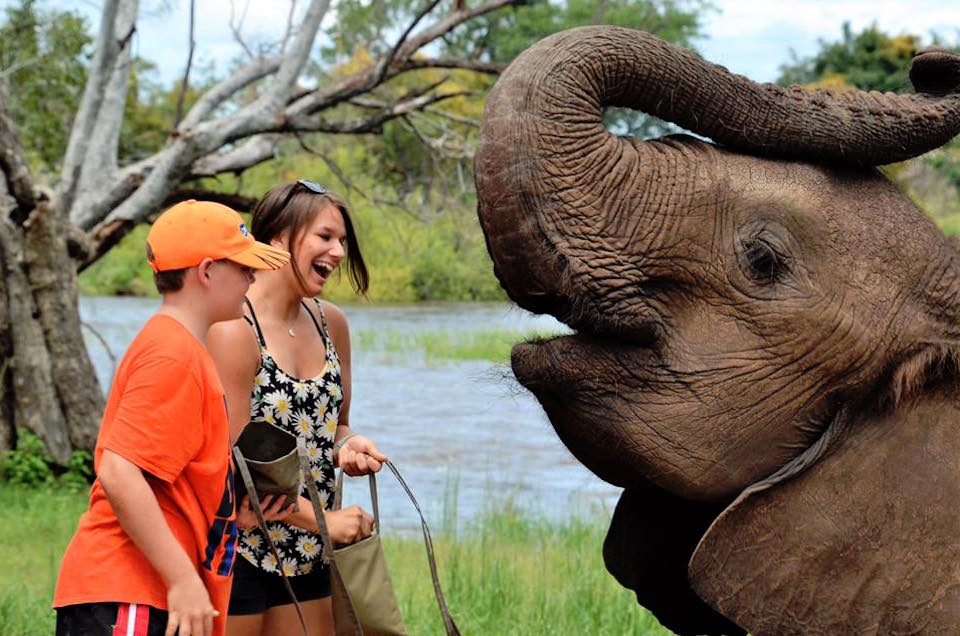
A run of bad press and falling demand has forced segments of southern Africa's safari industry to take a long, hard look at their offering. The result? A more hands-off approach that's been a long-time coming.
While some European destinations suffered last year from travelers' fear of terrorism, Iceland and other countries in Northern and Eastern Europe benefited from the short-term, decreased interest in Western Europe — and more favorable exchange rates.
As more brands design properties and programs with the health-conscious traveler in mind, they should remember that many guests want wellness to be only one aspect of their stay rather than the main attraction.
From growing public-private partnerships and shifting strategy when foreign currencies decline, Seccombe's insights are relevant for tourism boards the world over.
This is good news for travel and tourism, but what travelers and business leaders are looking for here is some semblance of consistency by the U.S. on who can come into the U.S. and how.