UNESCO sites -- of all places -- should be the destinations taking leadership roles in tourism management planning as they're often the first place many tourists think about when deciding what to do on a trip. But data show that's far from reality for a variety of political and economic reasons.
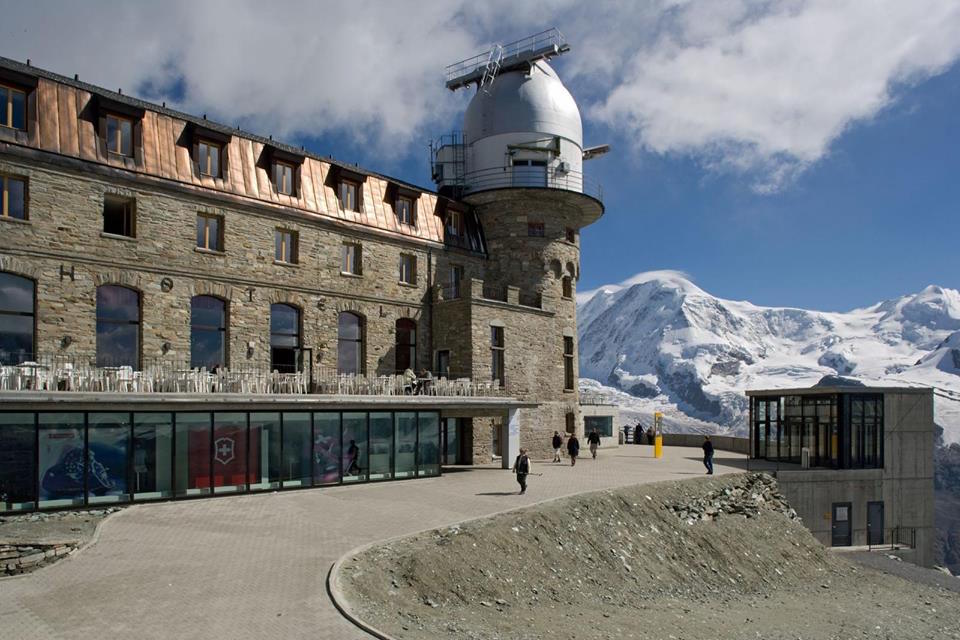
Switzerland Tourism is employing “precision marketing” as the number of Chinese individual travelers rose last year while overall arrivals dropped. Tactics aim to be as precise as a Swiss watch; other destinations it competes with for longhaul Chinese travelers, including the U.S., Canada and New Zealand, should take note.
Los Angeles is part of a trend across major global cities as they attempt to distance themselves from less welcoming parts of their countries. Most cities can't claim to be as diverse as Los Angeles, which helps its message appear honest yet measured.
Chinese consumers are responsible for one-third of the world’s personal luxury spending, but the consumers are younger and more affluent than the sector is accustomed to serving. Speaking directly to this group will pay off with loyalty and service for decades to come.
The bottom line is that several of President Trump's policies and his rhetoric are a big turn-off to many foreigners and the result is a measurable adverse impact on the U.S. and global travel industry.
With less than five percent of Chinese travelers holding passports, last year's spending totals for international Chinese travelers represents only a fraction of the market's spending potential as millions more Chinese choose to travel abroad each year.
Travel brands have an economic incentive to push policy makers and private sectors in their destinations on sustainability and leaner visa policies because tourists will reward them with higher spending and likely repeat visits.
360-degree videos have been a draw for many destination marketers and consumers are equally eager to watch them. But the who, what, where, when, why and how for watching such videos are still in test-and-learn mode.