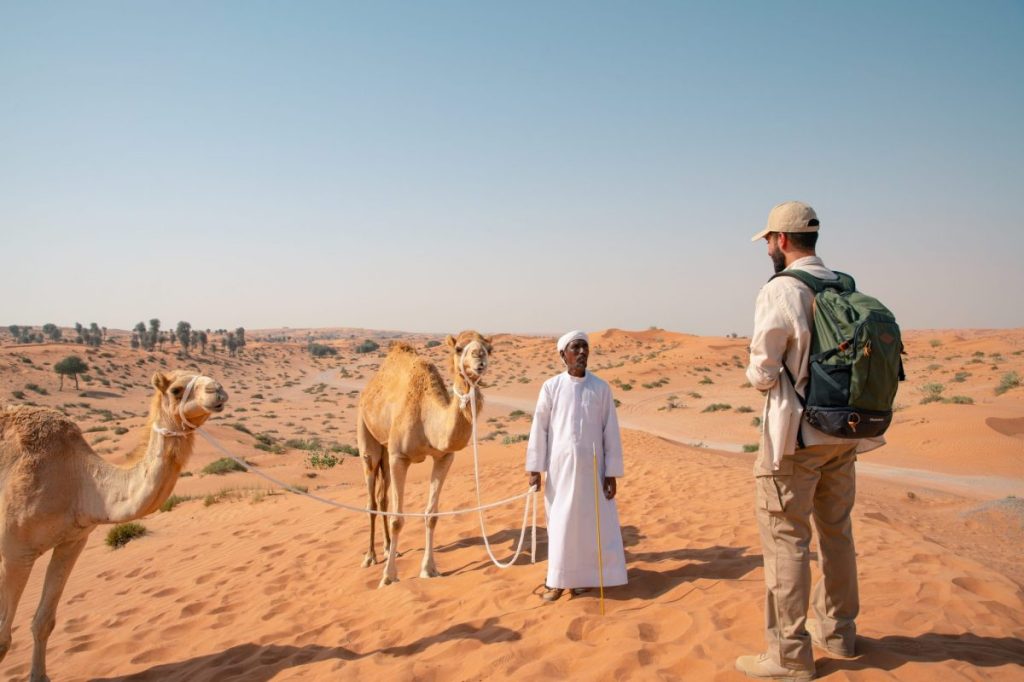
The buzz around the ongoing Arabian Travel Market in Dubai offers a glimpse into the thriving tourism industry in the region. Tourism in the Middle East is set to grow in coming years.
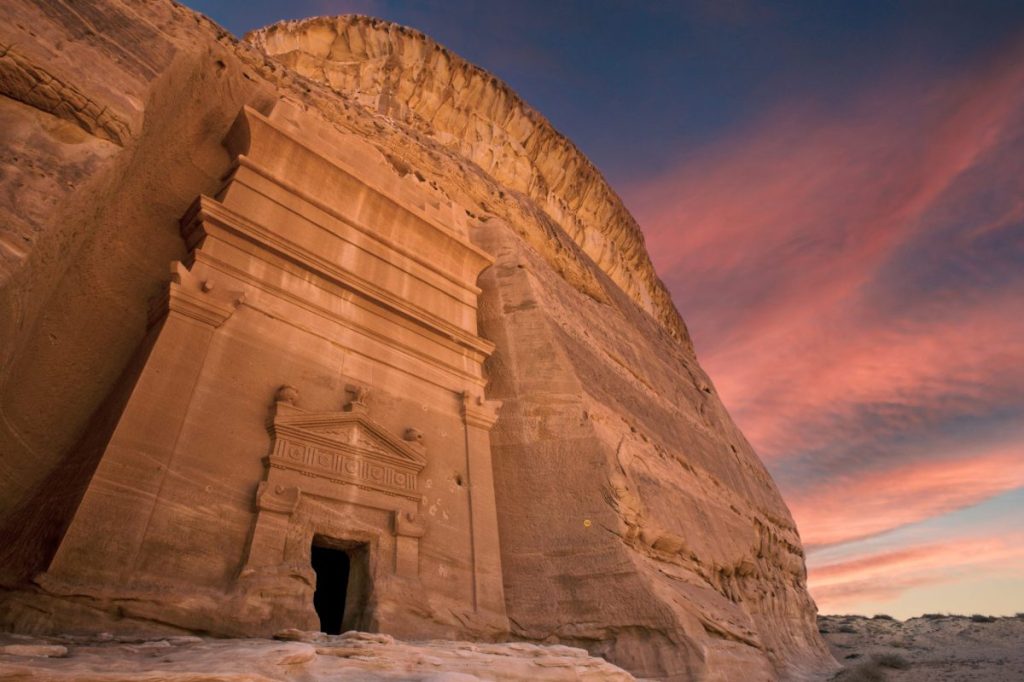
A partnership with Trip.com could help Saudi Arabia make inroads into the China market. Saudi hopes to draw 3.9 million Chinese visitors per year by 2030.
Six casino companies have agreed to invest a total of $15 billion in Macau over ten years, with more than 90 percent of the money pledged to non-gaming activities.
Destinations in the Middle East are not just turning to tourism in an effort to diversify their national economies but positioning themselves to compete on a larger scale globally.
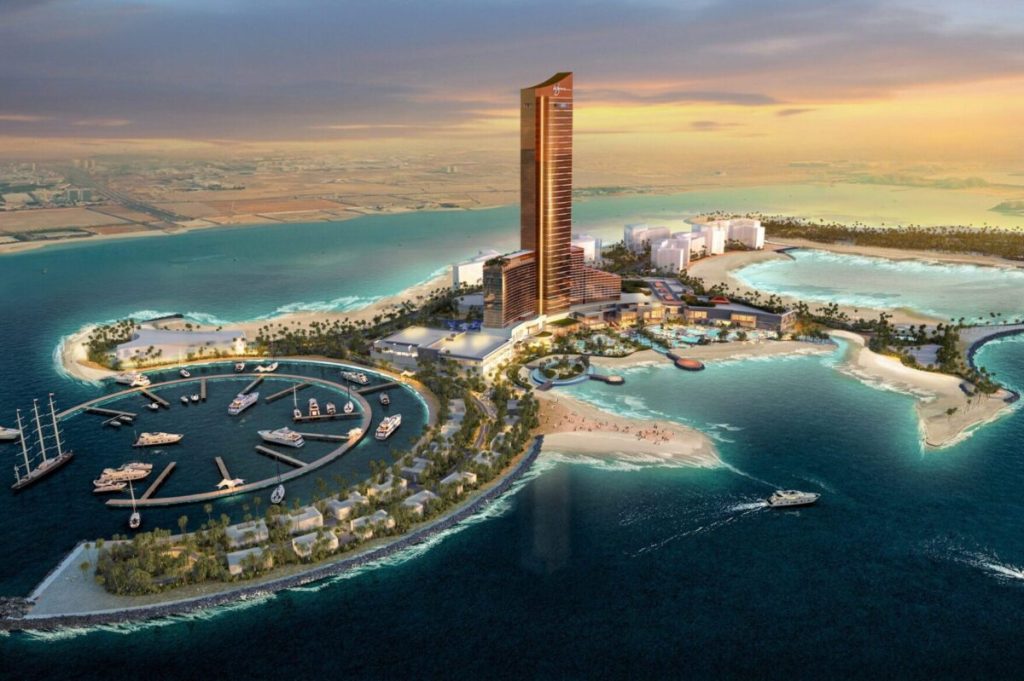
Even as it calls itself a nature-based emirate, Ras Al Khaimah is keen to earn the reputation of being a leading meetings, incentive, conference and event hub. The emirate is adopting a measured approach with a controlled pipeline of sustainable development to help strike a balance.
MGM Resorts International and Las Vegas Sands aren’t writing off Macau, but they also aren’t solely focusing on China’s gaming hotspot for growth in Asia.
Increased oversight from Chinese regulators in Macau threatens a massive financial hit to U.S. gaming resort operators. But don’t expect this to lead to a mass exodus to other gaming markets in Asia.
Travel companies increasingly looked to go public via SPACs this year, but the exuberance might be short-lived as a slowdown is likely in the U.S. Regulators are already looking into the explosion of activity.