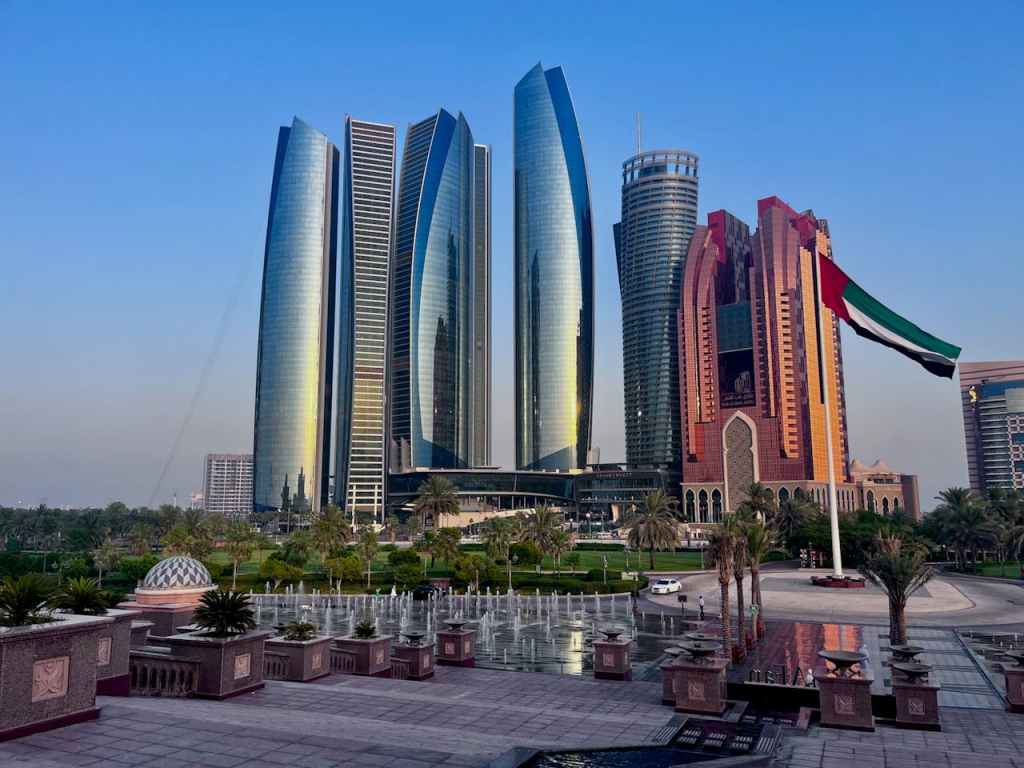
The Iran conflict forced a system-wide stress test on Gulf aviation. Airlines that use this disruption to redesign how they operate will emerge with a structural advantage. Those that simply wait for stability to return will find the window has closed.
The Iran war disrupted travel across key corridors, but it also exposed a larger shift already underway. Asia increasingly brings together the demand growth, traveler demographics, value, and digital behavior shaping the industry’s next decade. Many strategies are still built around the demand patterns of the previous one.
Wars end. Memory lingers. The question that will define the region's next tourism decade is in what shape demand returns, from where, at what yield, and with what brand equity still intact. Here are the decision frameworks for managing through uncertainty over the next two to four years.
Iran’s retaliatory strikes hit Middle East destinations’ civilian infrastructure. The region’s $460 billion tourism machine is counting the cost. Here we provide both the diagnosis and the decision architecture for what comes next.
Canada is in the middle of a quiet travel revolution, and most destinations are treating it like a rounding error. That is getting very expensive, very fast.
For the U.S., winning back Canadians will require more than marketing campaigns — it will demand a rethink of entry processes, safety perceptions, and the overall visitor experience.
The best hospitality lessons in the world might come from a street vendor with a wok and a plastic stool on a Bangkok sidewalk. In an industry chasing AI, automation, and scale, the brands that win will be the ones that remain unmistakably human.
Asia's tourism success lies in its strong destination branding, but balancing growth with cultural preservation is crucial to avoid turning authentic experiences into staged attractions.