As the Indian traveler drives demand to lesser explored domestic destinations, major brands are finding opportunities to grow in the Indian hinterlands.
India is taking steps to make its tourist and pilgrimage destinations more convenient for visitors. These projects are being developed at a rapid pace to boost the country's tourism potential.
Post Covid, India has been witnessing a rise in corporate travel, driven by face-to-face meetings and conventions. New business hotels and convention centers are being developed to cater to the rising demand.
IHCL's strategic focus on Tier 2 and Tier 3 cities indicates a market expansion aligning with India's burgeoning middle class. While this helps meet evolving consumer demands it also ensures that the company grows beyond metropolitan areas.
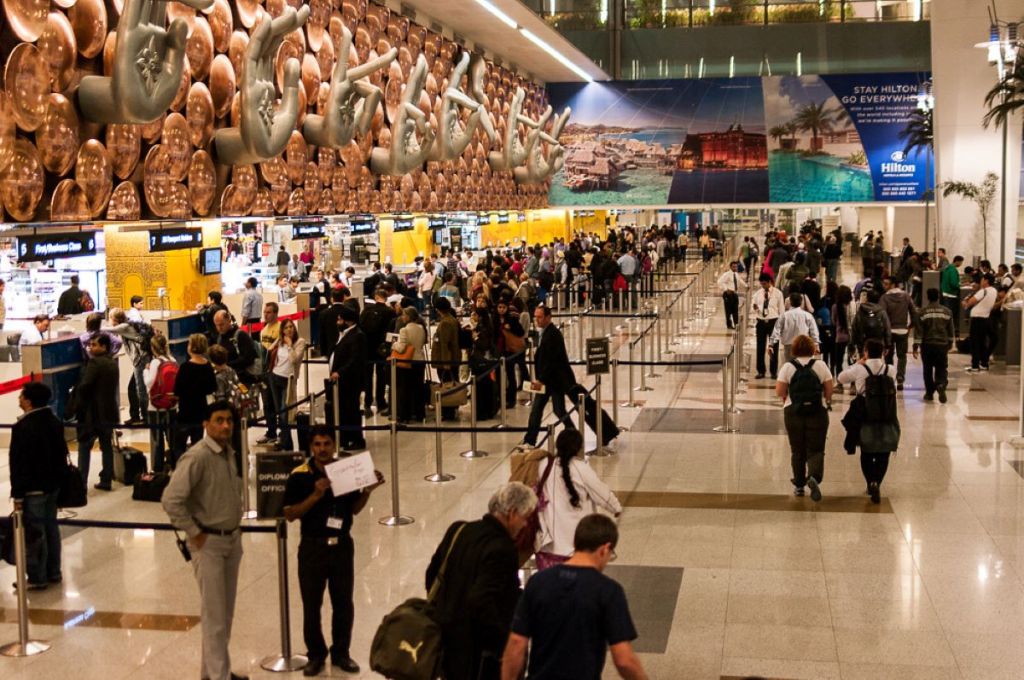
Prior to the rollout of DigiYatra for international travel, it will be imperative to address privacy concerns. Airports will need to strike a balance between security and individual privacy rights.
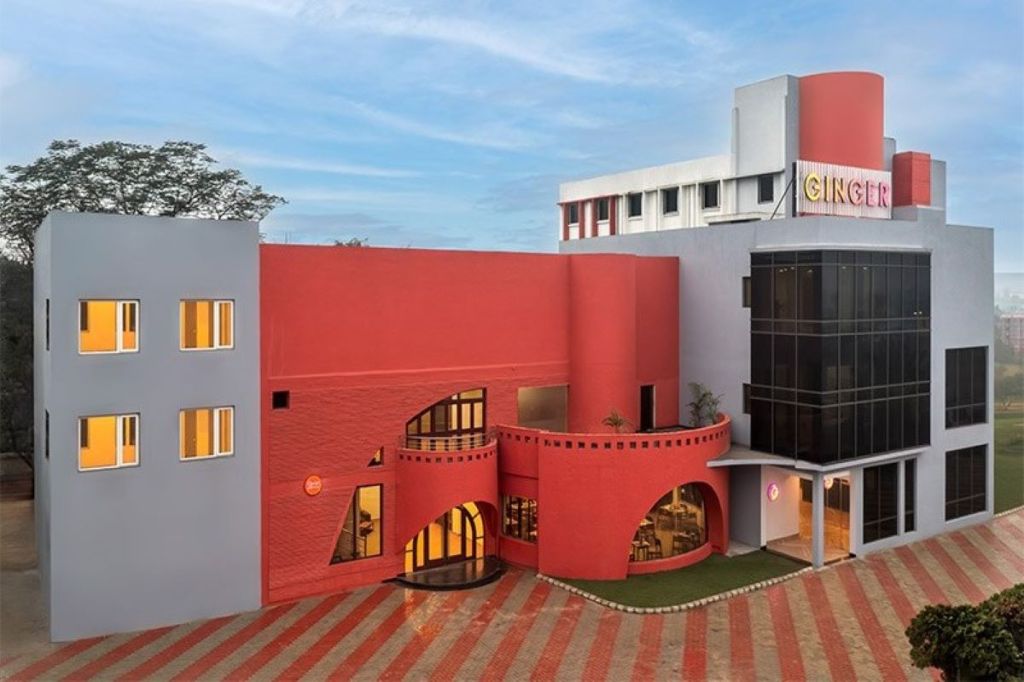
In 2023, the Taj brand strengthened its presence in key metro and commercial cities, including Delhi, Cochin, Dhaka, and Bhutan. Vivanta and SeleQtions collectively added 17 hotels while Ginger signed agreements for six new hotels.
While the Hotelviate report does highlight the surge witnessed in India's organized hotel sector, it also approaches the future with cautious optimism. It serves as a reminder that the exceptional developments witnessed in 2022-23 were unprecedented.
Destinations are betting big on India’s travel market. With a growing economy, young population, and rising middle class, the country is positioned to become one of the most lucrative outbound tourism markets in the world.
At a time when most Indian airlines and airport operators are eyeing growth and announcing expansion plans, the country’s pilots and cabin crew fraternity are still struggling to negotiate salaries and flight duty timings.