Several factors are playing in India's favor as a tourism source market: its population, emerging younger generation, and competition leading to reduced travel costs.
Tourism in India is growing, especially from domestic travelers. This is leading to a robust demand for accommodation across the country. But the India hotel industry needs to provide enough supply.
India's aviation sector is expanding and people from smaller cities are increasingly looking to fly. Keeping airfares in check is key to ensuring that air travel remains accessible to the Indian middle class, particularly as it makes up for about a third of the country's population.
International visitor spending in India in 2023 was 14% below pre-pandemic levels. UPI One World wallet eliminates the need for international travelers to carry currency, and could boost tourism spending in India.
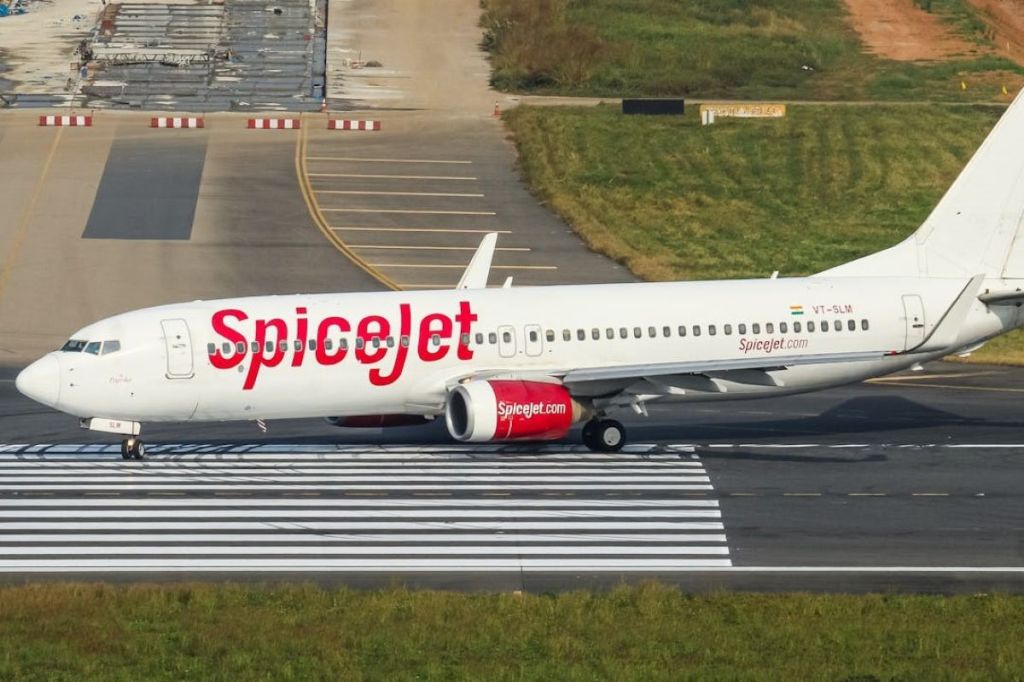
SpiceJet has been facing financial and legal issues for years. However, the positive momentum of the Indian aviation industry is keeping it from going bankrupt, and that is what the airline is banking on.
India's focus in recent years has been on tourism destination development. In its plan to diversify its offerings to attract different types of travelers, adventure tourism caters to a growing demand.
In the fiercely competitive tourism landscape, where every destination is racing to attract more visitors, Thailand knows it has to move quickly and decisively. That's why it's no surprise the country is already set with its tourism strategy for 2025, looking to get ahead of the curve.
Air India's merger with Vistara is expected to be completed next year. With this, the merged entity would become India's largest international carrier and second-largest domestic airline.
India is already one of Indonesia's top 10 source markets. If Indonesia goes through with this plan to go visa-free, it will go a long way toward lifting that ranking even higher.