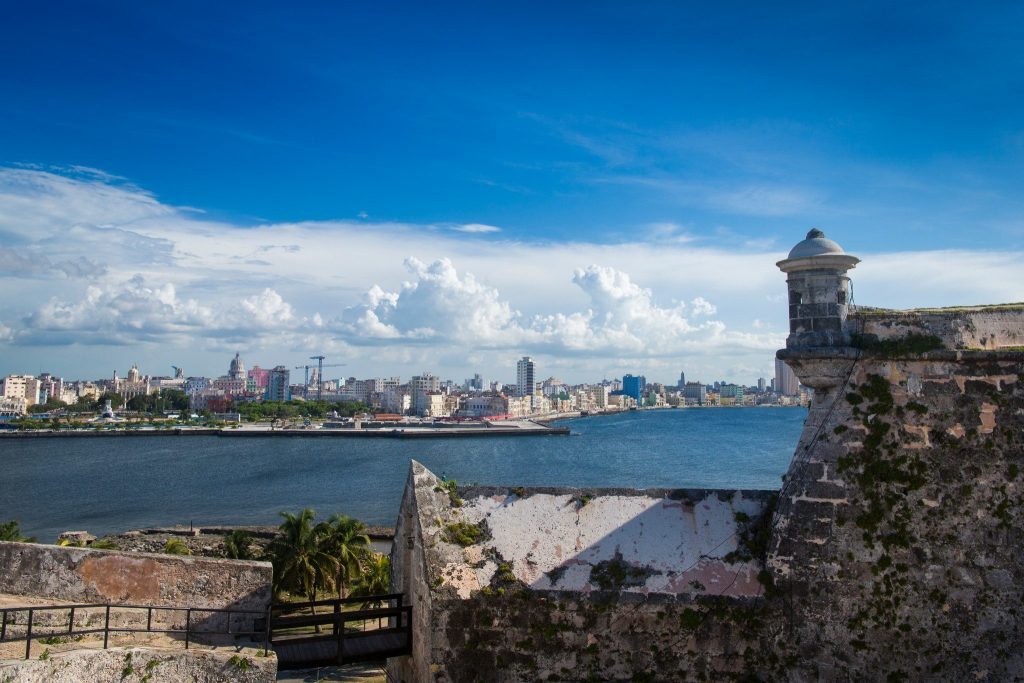
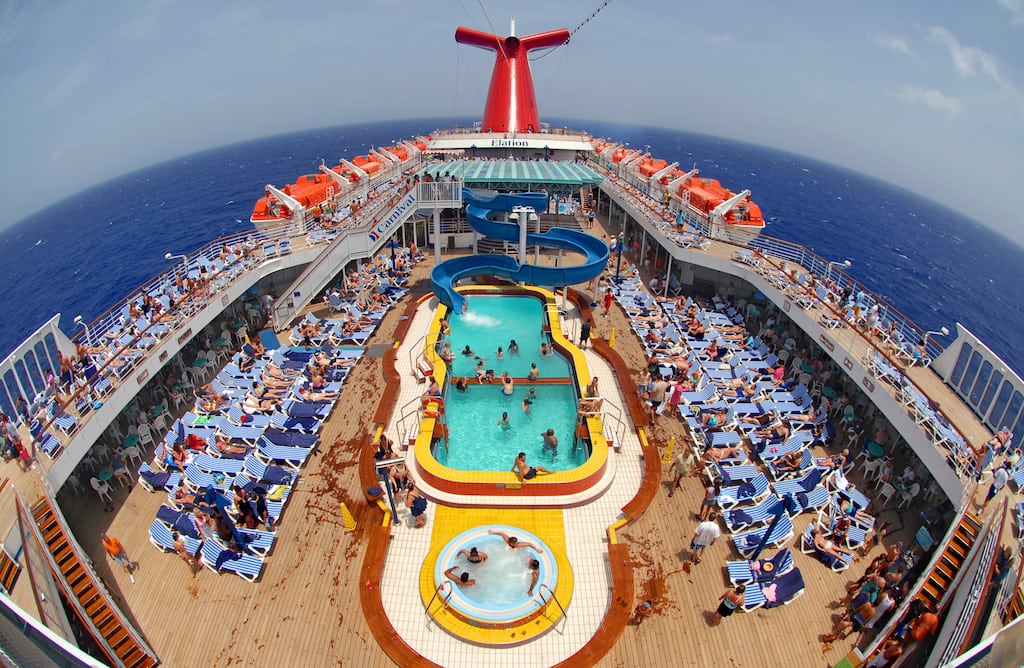
With Carnival Cruise Line now in the mix, all the major mass-market cruise lines now have Cuba on the horizon. The question now is how travelers will respond.
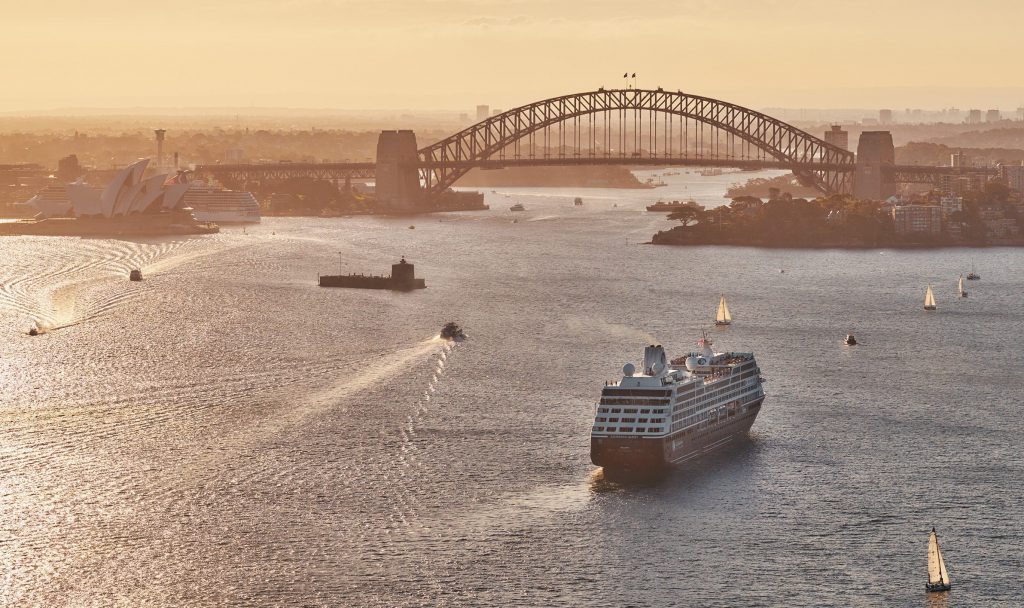
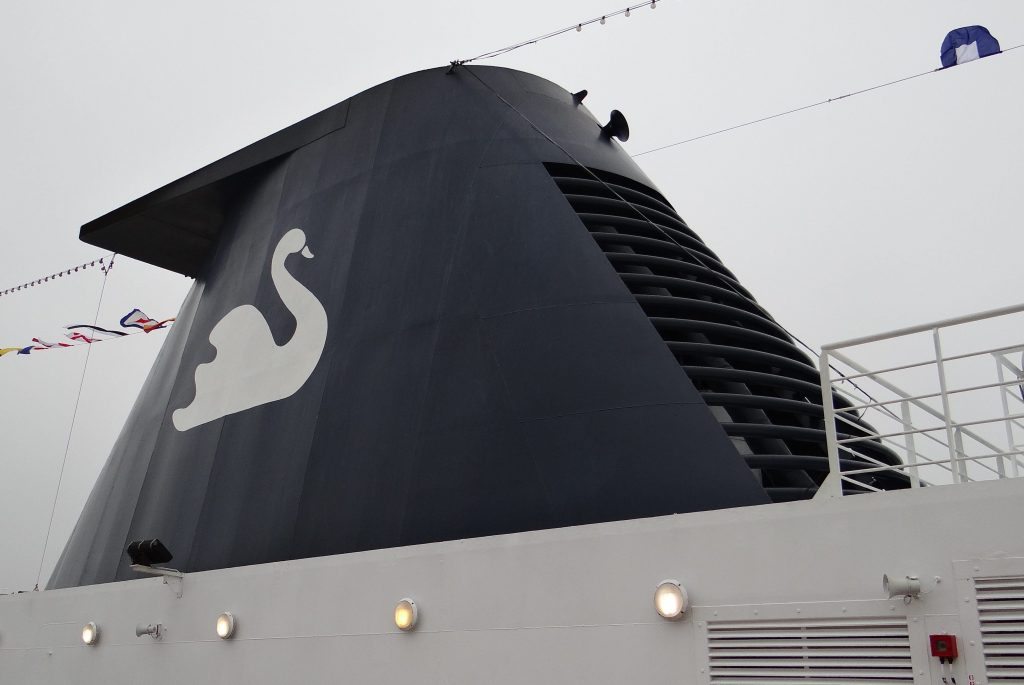
Azamara's focus on the shore is serving the company well, but at some point its 17-year-old ships will be ready to retire. What does the future hold for this brand, especially as travel companies around the globe try to deliver authentic local experiences?
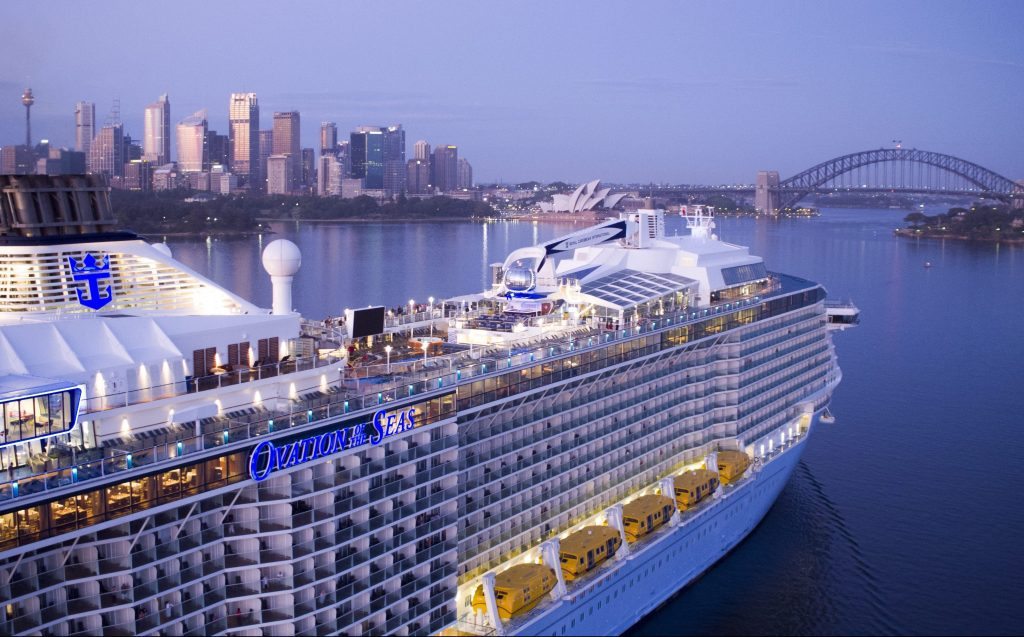
There's a lot of year left, but Royal Caribbean executives must be feeling pretty confident to use a word like "sensational." We'll see if reality lives up to the high hopes.
As Fathom prepares to enter its new chapter, the brand needs to clearly identify its mission and experience to connect with the right travelers. If "social impact" wasn't a clear enough description, will "participatory" do the job?
Since the heady days of a stock market floatation in 2007, there has not been much to shout about for All Leisure Group. Like a number of other travel companies, it has not been able to cope with the level of geopolitical upheaval in key destinations. It is unlikely to be the only big travel casualty of 2017.
Being small isn't quite enough to stand out in the cruise crowd. But elements of quirkiness, fun, and surprise — along with the advantage of greater access to some destinations — could do the trick.
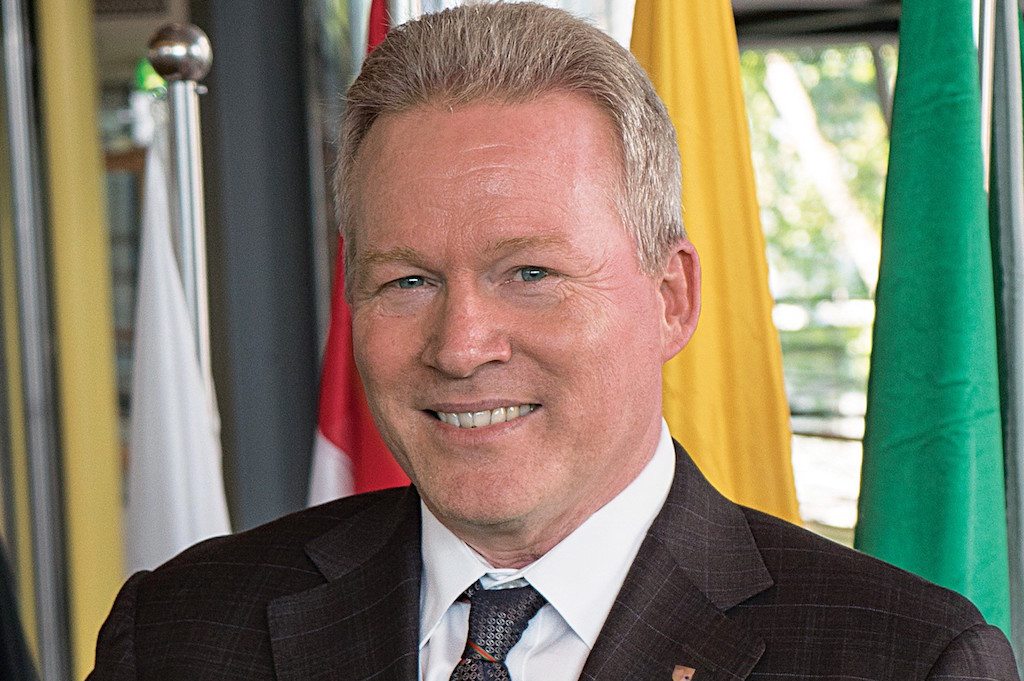
Cruise operators are counting on Cuba to stir up new interest in long-established Caribbean sailings. That could ultimately increase demand and prices for cruises that are typically budget-friendly. But as Carnival's CEO said, adding Cuba as a destination may not do much for the bottom line at first.
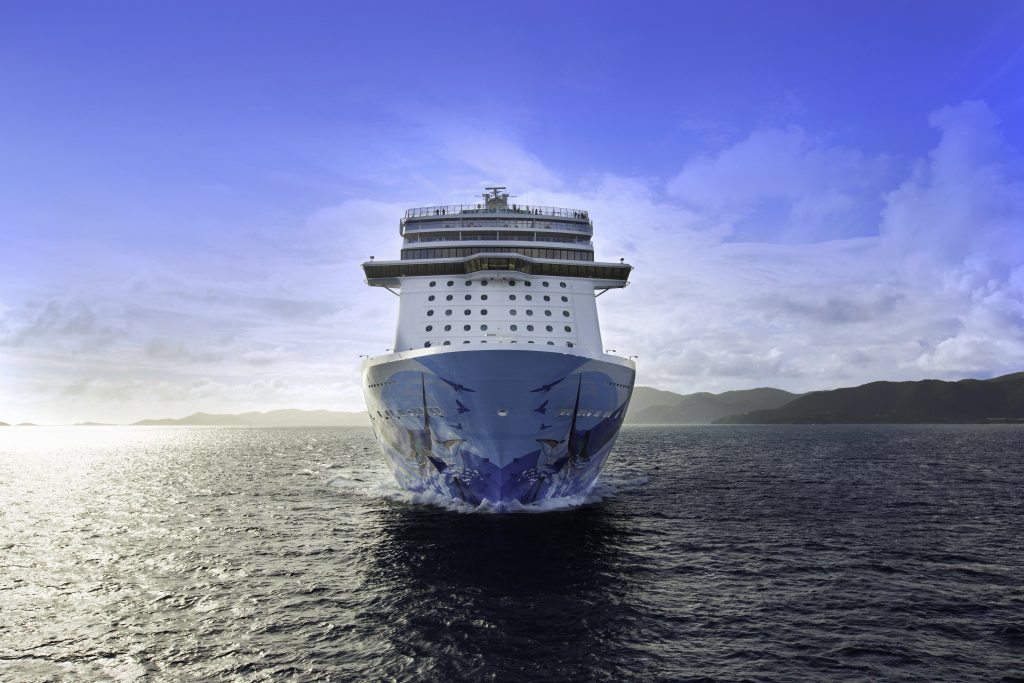
The cruise industry is generally very good at getting passengers to fill all their ships, especially new ones with the latest bells and whistles. Executives have also been trying to get those passengers to pay more for their trips, which is sometimes a struggle.