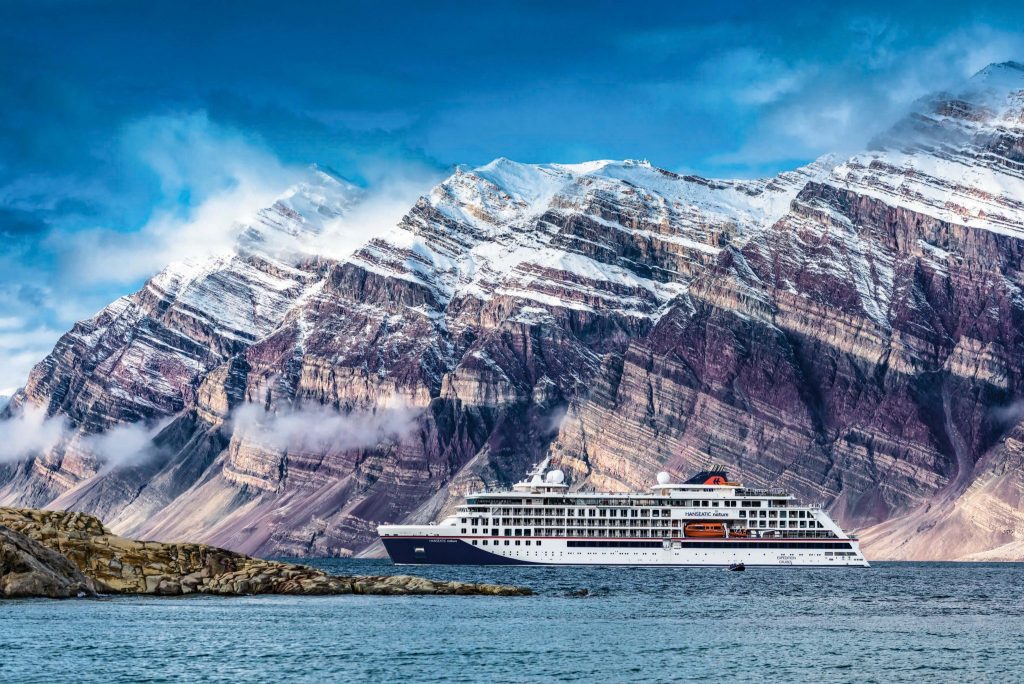
This seems like a win-win for TUI Group. It gets an established partner to help grow its luxury and expedition cruise line — while also keeping a share of the business — and at the same time it gets the cash to help pursue its digital strategy.
At this stage it's difficult to tell how long the coronavirus outbreak will last and how far it will spread. For now Royal Caribbean is acting with extreme caution in China.
Overcrowding in traditional markets and a growing demand for more adventurous itineraries will help Africa attract more cruise lines to its ports. But key to any future growth is understanding that cruise ships require more than just bricks and mortar on the quayside.
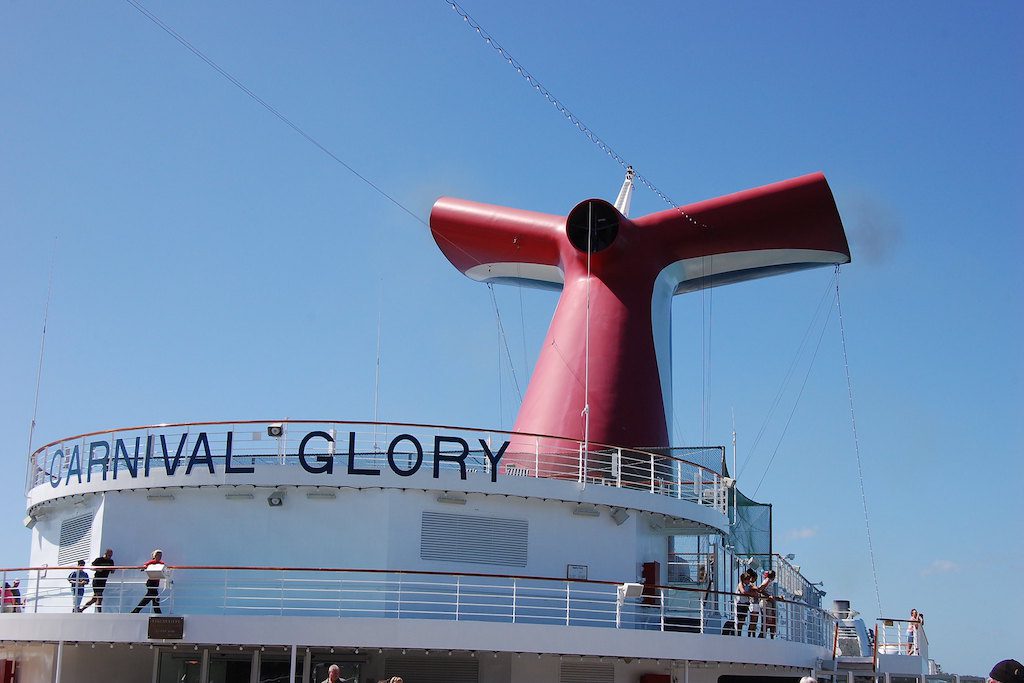
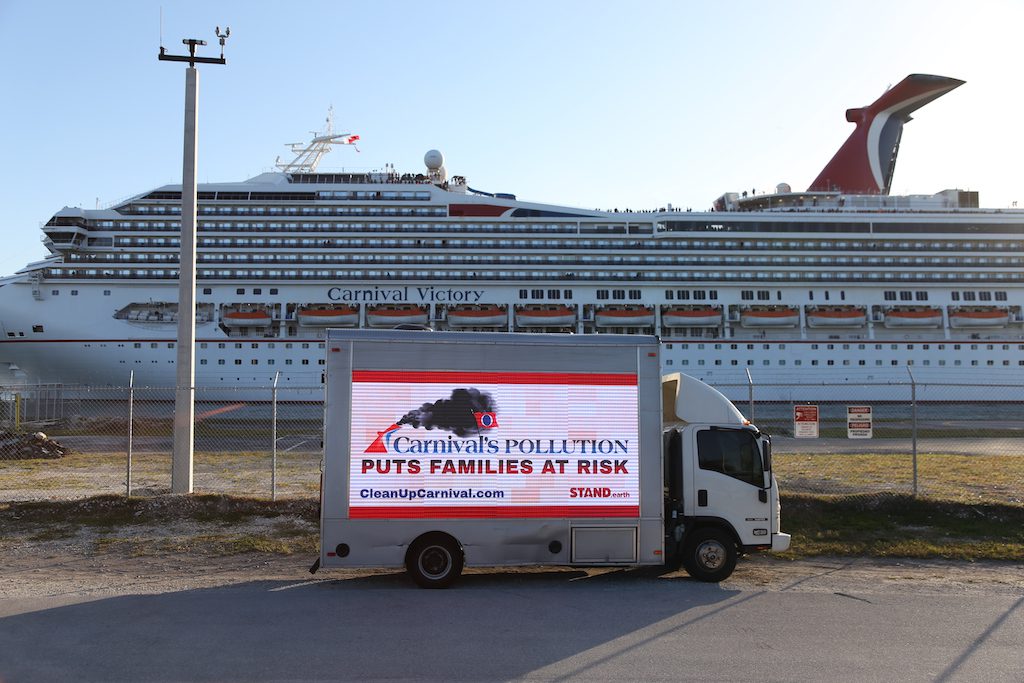
This year was a tough one for the world's largest cruise company, and Carnival executives will likely be happy to see it end. But in 2020 many of the same challenges remain, particularly in regards to sustainability.
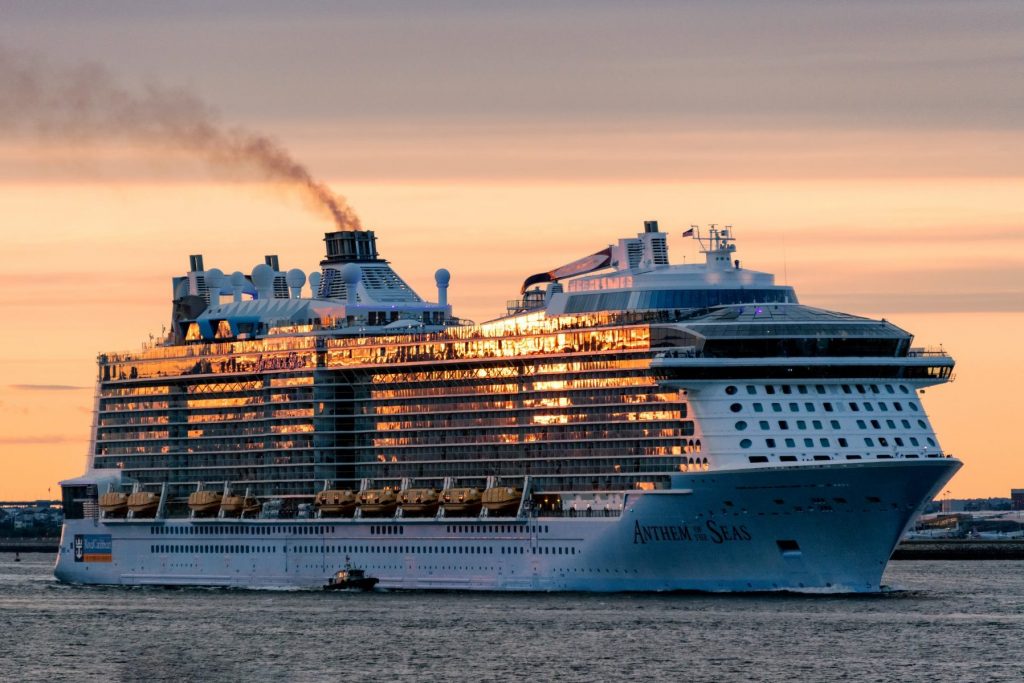
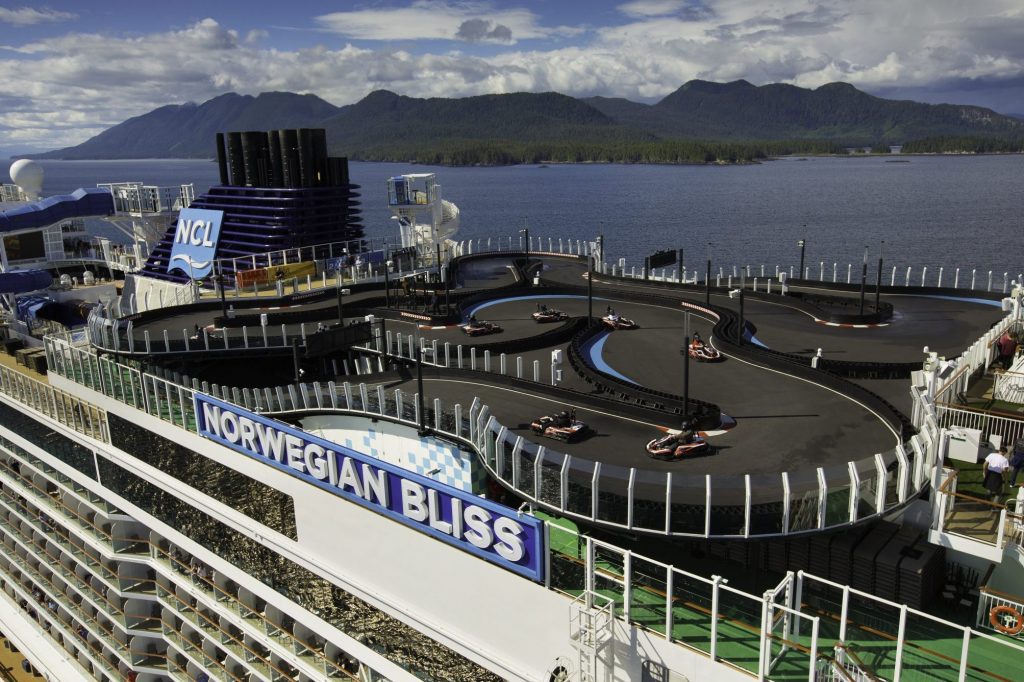
Global cruise lines are growing fast, turning ships into theme parks and dining destinations. The simplicity of cruising remains a strong draw for consumers despite sustainability concerns.
It's good to see Carnival building out its ethics and compliance team. Given the cruise company's recent history, these new hires certainly have their work cut out for them.
It makes sense that a longtime leader of a cruise company would give lip service to sustainability. To say consumer concerns about the sector's sustainability are fake, however, risks alienating customers at a pivotal moment for the sector.
Everyone — even cruise line executives — agrees that the air pollution the industry generates needs to be reduced. But a closer look at how cruise ships are regulated leaves little confidence that a new global standard to reduce disease-causing sulfur emissions can be adequately enforced.
Carnival Corp. may now make a point of trumpeting its sustainability efforts, but it's worth remembering that it's on environmental probation for a reason.