Interactive, multi-media, and unusual, this project will likely be a fascinating look at the under-examined American destinations. And a bit of a thrill for excellent reporter/airplane buff Fallows.
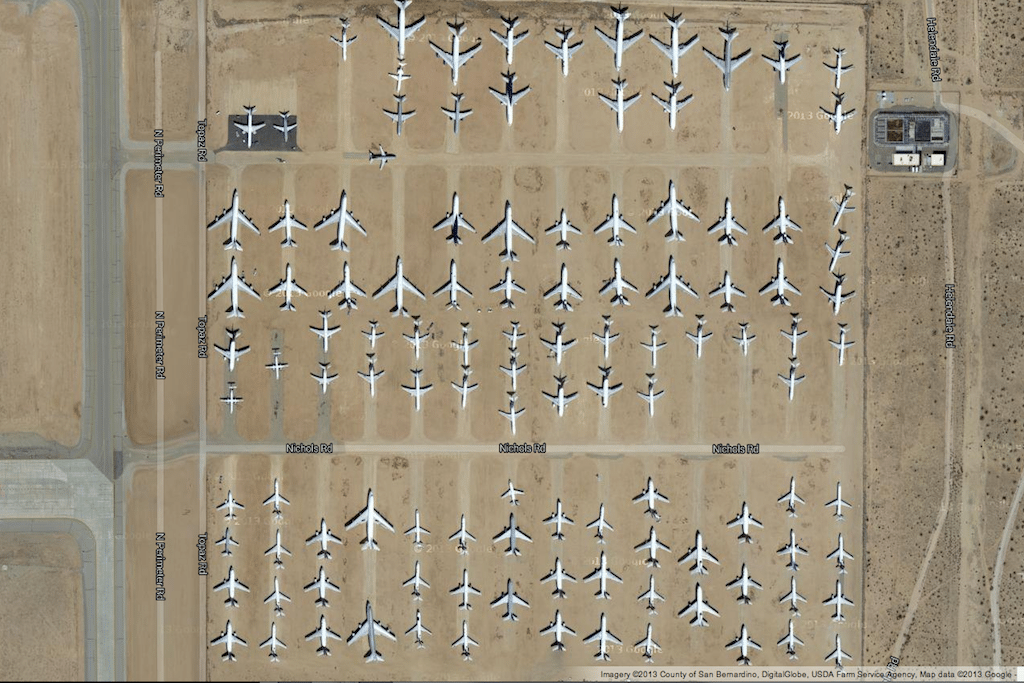
More than a decade of cheap, government-backed financing has built up the fleets of foreign airlines as well as the business of domestic manufacturers. It's also forced the early retirement of a lot of perfectly good planes.
Middle-ground options have fallen by the wayside as economics demand airlines emphasize super-cheap and super-fancy options for disparate passenger types.
Some of these services are certainly more interesting than others, so Virgin will be a leading contender. Its "Red" in-flight entertainment system is impressive, innovative, and even a little racy - the ads that announced it strongly encouraged seat-to-seat flirting through the IFE chat application.
Despite its huge and continuing growth, the travel and tourism industry has a PR problem among Generation Y grads looking for serious business careers. The industry must fix its image quick, since it will be looking to fill millions of new jobs over the next few years.
The suggestions are surely well-founded, but airlines and airports in this market are unlikely to adopt policies demanding short-term investments - even if they do offer long-term returns.
Tapping into the eco-friendly market might help hotel chains out of their slump, but they'll have to prove that their efforts aren't merely "green-washing," and also deliver on the basics.
When it comes to serving food on board, airlines can't seem to win: whatever they serve is criticized for its quality, but if they cut back, they hear about that, too. The life of the airline peanut - after decades, barely hanging on to its role as the prototypical on-board snack - is representative of airline food's career, both triumphs and struggles.