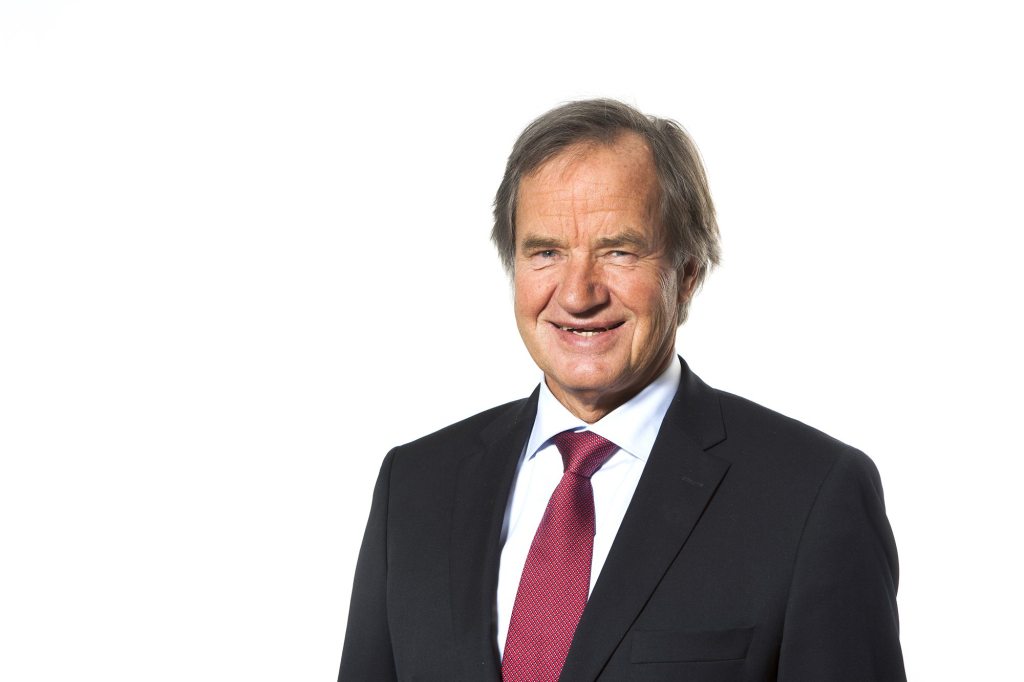
When others said low-cost, long-haul air travel might not work, Norwegian Air CEO Bjørn Kjos thought differently. So far he has been right — Norwegian's long-haul flights are popular with passengers — but legacy carriers are starting to fight back. It'll be interesting to watch Norwegian battle with them over the coming years.
Electronics are now banned in the cabin on most flights from the Middle East to the U.S. and UK, though few can explain exactly why. Meanwhile, airports and airlines are scrambling to cope.
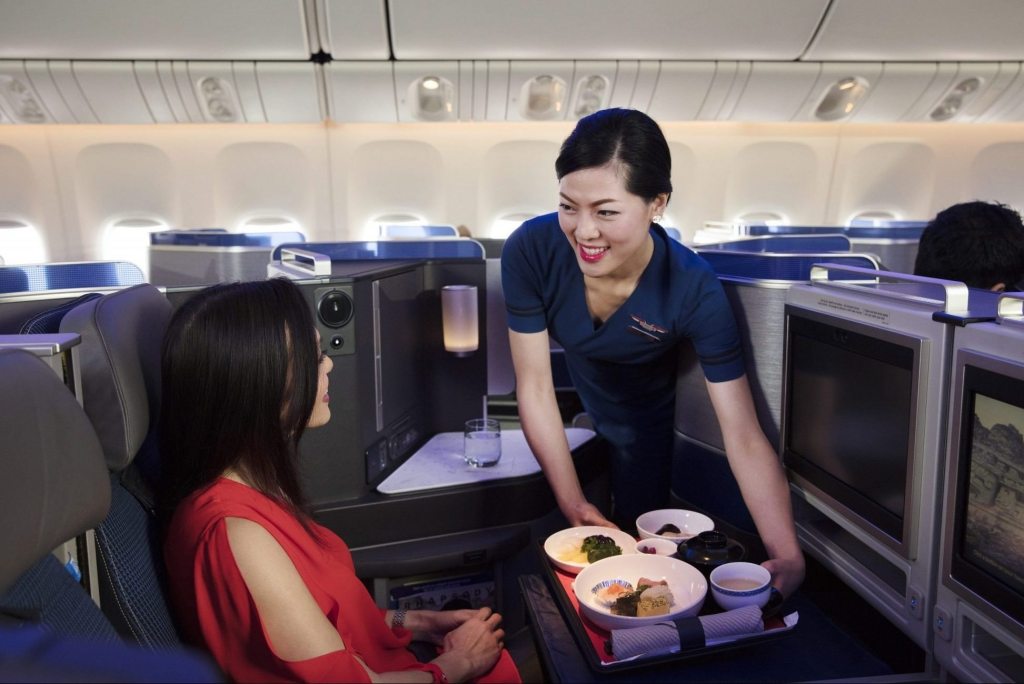
United's Polaris rollout may not go as quickly as originally planned thanks to a shortage of airplane seats. In the meantime, business travelers wait impatiently.
Passengers traveling through Newark's Terminal C have some more efficient security lines to look forward to thanks to a new integration from United Airlines.
The fact that Grayling’s comments came on the same day as a terrorist attack on London underlines the threat posed. Nevertheless, so many questions remain unanswered: why are the destinations covered different to the U.S.? What about those traveling with hand luggage only? What about insurance? For the moment, there is plenty of confusion.
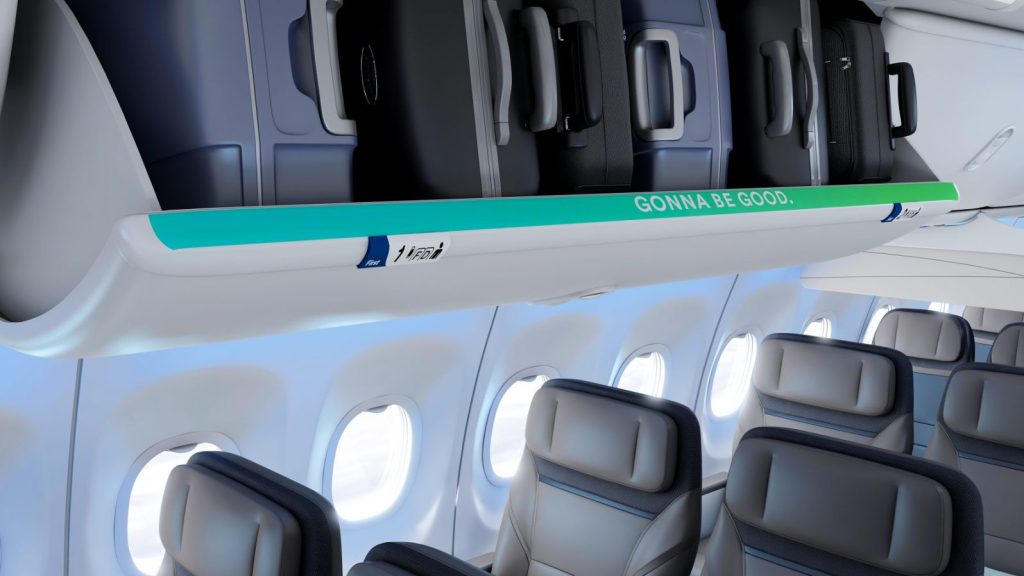
The big surprise would have been if Alaska Airlines kept the Virgin America brand. This isn't a big deal, and it's nice that Alaska will be upgrading many of its products in the next three years. New Wi-Fi can't come soon enough.
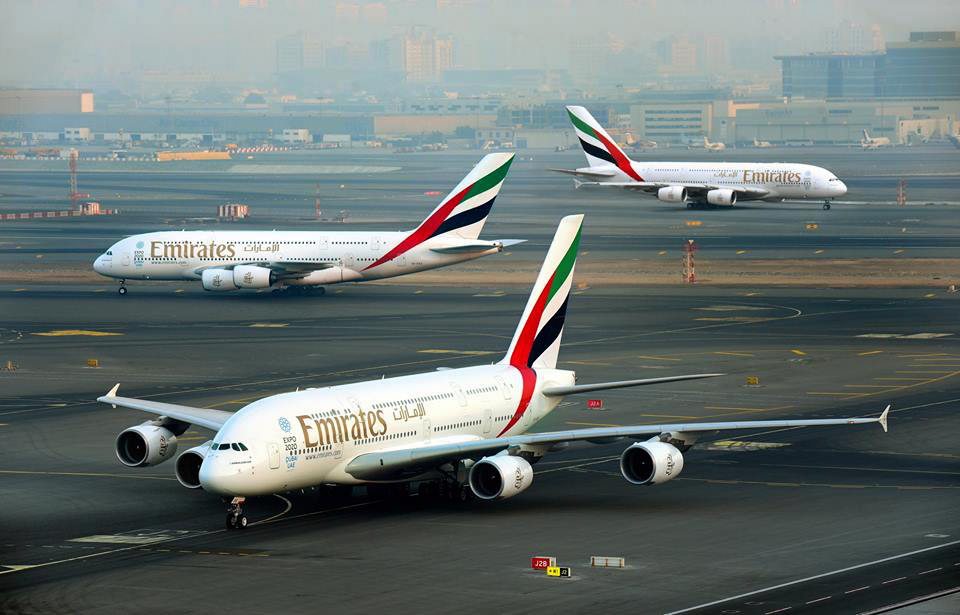
Many industry insiders are surprised the U.S. electronics ban includes flights from Dubai, Doha, and Abu Dhabi. Is there a valid security concern for adding those airports? Or could something more sinister be taking place?
A ban on large electronic devices may be necessary to keep travelers safe, but many in the travel community are not happy with how U.S. and UK authorities announced the new policy. Could we see some tweaks to the rules in the near future?