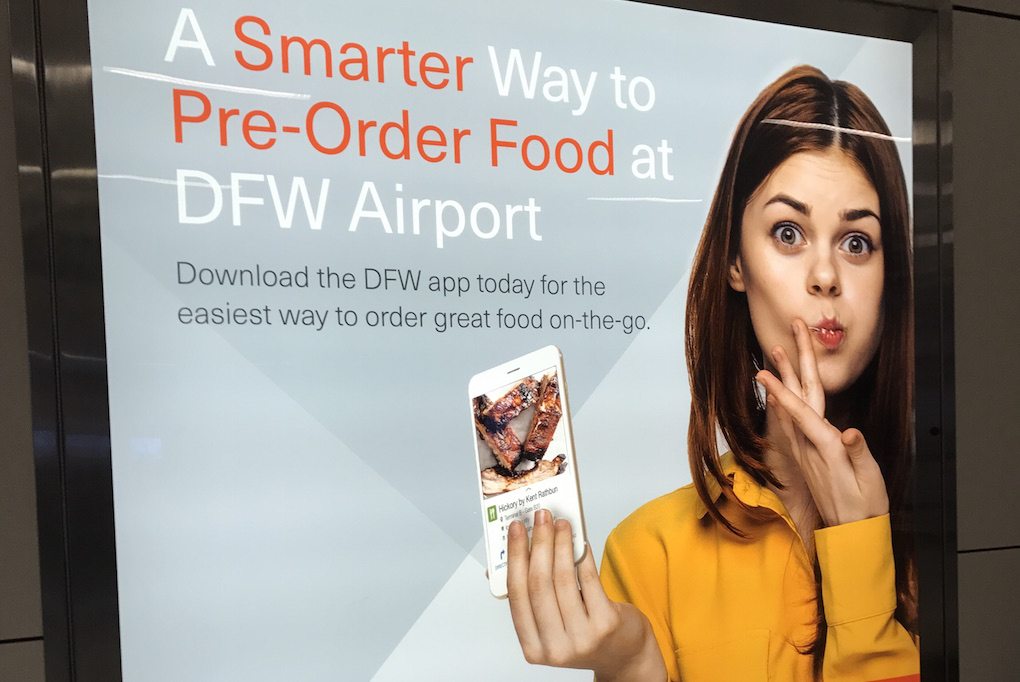
If this works at scale, it'll be appreciated by travelers in hub airports, where there's often not enough time to grab food between flights. But reliably delivering food to passengers waiting at gates is logistically difficult, if not impossible. We'll see if these new services can pull it off.
This week in aviation news, we concentrated on Europe: first, whether the continent has too much airline competition, and second, what happened leading up to Air Berlin's bankruptcy.
Over in Italy, no one wants to let Alitalia go. The Italian national carrier is also bankrupt, but keeping the airline is a matter of national pride. There's no such love for Air Berlin. It'll probably disappear, and that'll be OK.
Airlines need to deliver operational excellence to build long-term relationships with corporate travel managers and their travelers, but it’s often easier said than done. Delta has not only made real efforts to achieve operational excellence, but also provides its customers with full insight into how its performance compares with its competitors.
It seems like there is a renewed appetite among Europe's big airline groups to reduce the number of players in the market. They may find it hard to do while fuel remains cheap, but when it starts to creep up, more deals will likely occur.
This week in aviation news, JetBlue, Hawaiian, and Qatar find that tech can actually make their customers happier in a time when air travel seems to get more and more unpleasant.
In the not too distant future, we expect bots will be sophisticated enough to handle almost all customer service inquires sent via text message. But we're not there yet, so it's refreshing Hawaiian Airlines is going with an all-human approach.
JetBlue will be one of the first airlines to build unified records of all the interactions that each customer has with it via phone, text, and so forth. We hope other airlines copy the move to improve their service.