
Why Do National Airlines Still Exist?
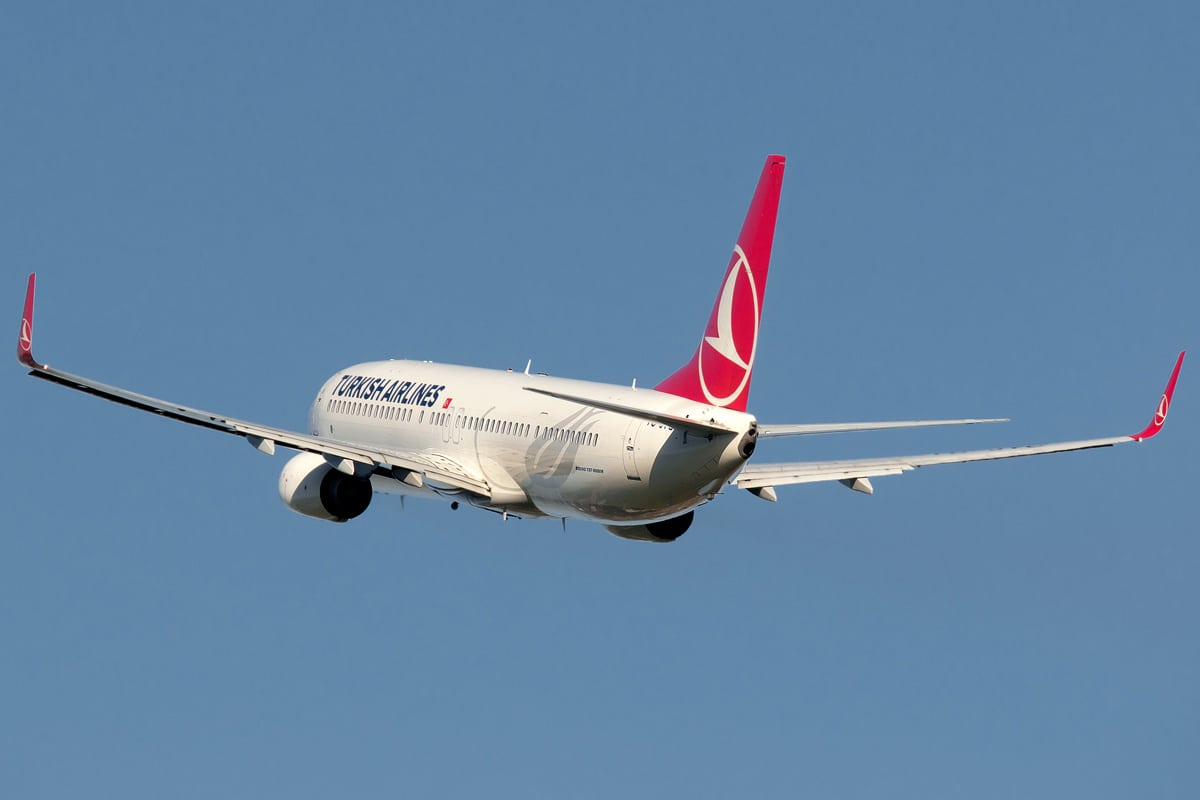
Photo Credit: Turkish Airlines is among the more successful national carriers, because even though the government owns 49 percent, it does not meddle much in day-to-day affairs. Pictured is one of the airline's Boeing 737s. Flickr.com / HartlandMartin
Skift Take
Many politicians fear their nations will be irrelevant if they abandon their money-losing flag airlines. That's probably a stretch. In most places, the market likely would fill the gap — provided the government got out of the way. But national pride is powerful, and few people want to see storied brands disappear.
For three consecutive winters beginning in 2010, executives at Budapest's airport watched daily to see if their largest tenant, the Hungarian national airline representing more than 40 percent of its passengers, would go bust.
The carrier, Malev, started flying in 1946 as Maszovlet, and for decades as a government-owned enterprise, it flew mainly Soviet-built jets on short-haul routes, before expanding in the 1980s with Boeing aircraft. For a while, its model worked well enough, but the rise of democracy changed much in Hungary, including at the airline, which was forced to compete with nearly every national carrier in Europe.
As it sought to become more nimble in the 1990s and 2000s, Malev tried to privatize but never could make it. In 2010, with the airline struggling amid the European financial crisis, Hungary took control of 95 percent of Malev to try to save it. It stemmed the trouble, but caused another problem: The European Commission ruled it an illegal subsidy, ordering

