
Predicting the Rise of the Smart Hotel in 2016
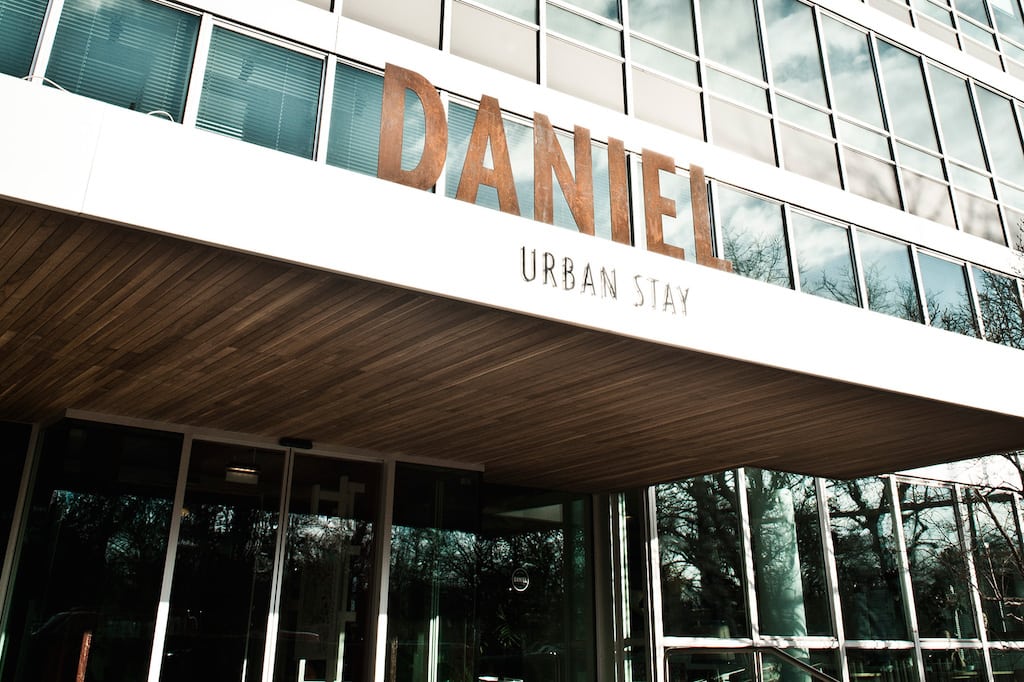
Photo Credit: Hotel Daniel Vienna opened in 2011 inside an ex-office building, illustrating a new ethos in efficient, affordable, adaptive reuse hotel design in expensive urban cores. Hotel Daniel
Skift Take
The Smart Hotel of the future adapts to any building, and it's plugged into a city's open data platform to provide a new and untapped hospitality user experience that prioritizes efficiency, connectivity and mobility.
For those of us who cover the hospitality industry, we hit a plateau in 2015 with the dismissal of Starwood Hotels CEO Frits van Paasschen, followed by Marriott gobbling up the 1,200 Starwood hotels in the hotel merger of the century in November.
Since the early 2000s, Starwood played the role of the resistance in the global hotel industry battlefield dominated by Marriott, Hilton, Hyatt, InterContinental, and Accor. The Starwood narrative was like Apple's defiant spirit of innovation flying in the face of Microsoft's hegemony. The Rebel Alliance fighting the Death Star.
I had 12 minutes alone with Paasschen in the fall of 2014. We talked about how next generation devices and software could personalize the guest experience. We discussed technology's potential to educate and connect guests with the world, shifting hotels into global knowledge sharing machines. The future of hotels for those 12 minutes was pregnant with possibility.
But then Paasschen was fired for not opening

