
The Small Canadian Airline That Already Has the Flight-Tracking System of the Future
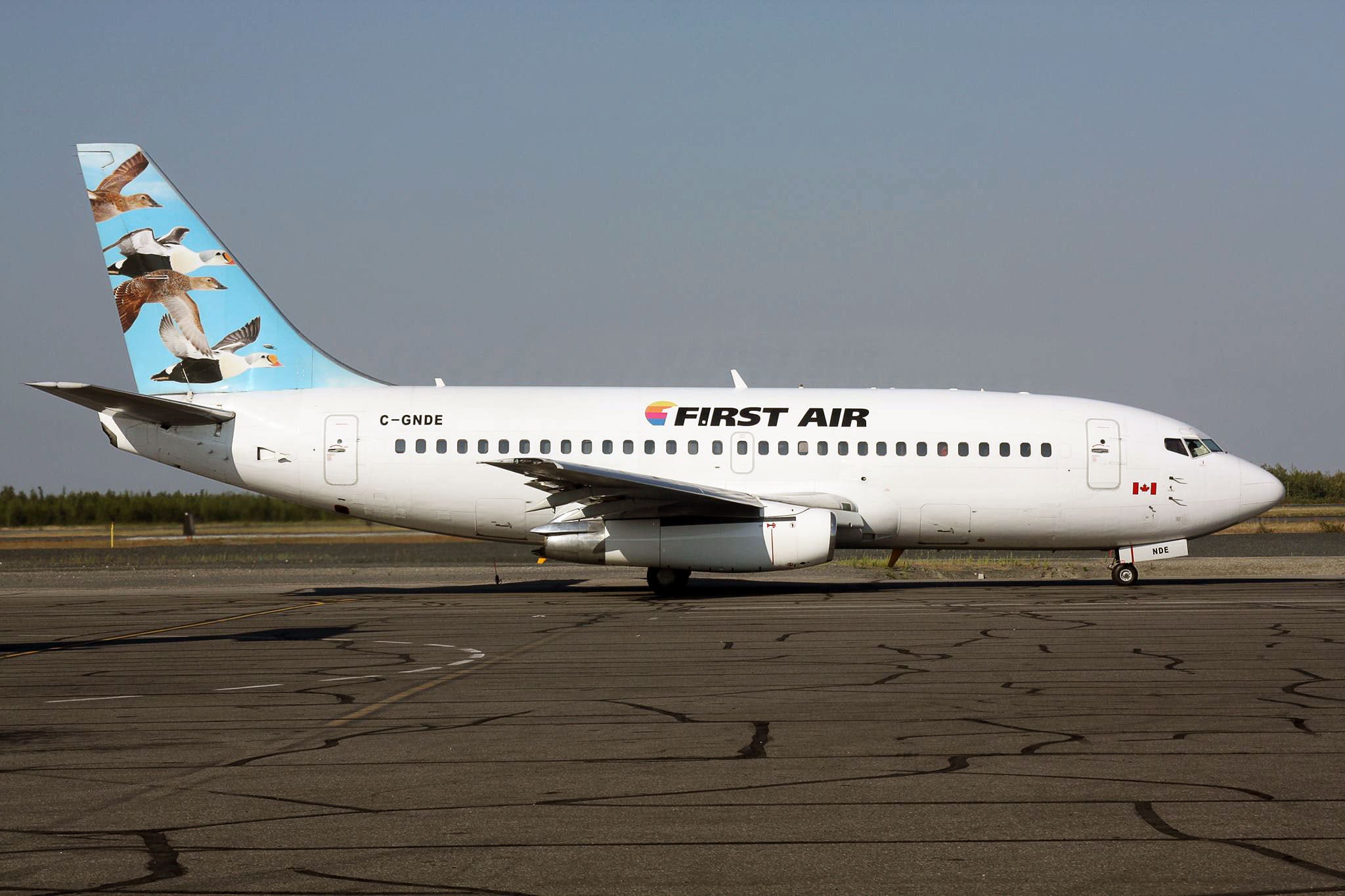
Photo Credit: The regional carrier First Air knows where its planes are at all times. First Air
Skift Take
Not having to wait on NextGen implementation to move forward is a huge advantage, and removes an excuse that airlines have for not implementing live flight tracking.
Two and a half years before MH370 went missing, a small Canadian airline already had started installing flight-tracking system of the future.
First Air, a regional carrier which serves routes from Ottawa, Canada to the Arctic, had plenty of motivation to consider systems other larger carriers have lagged behind in adopting. Their decision to activate the FLYHT's FLYHTStream system was only recently announced, making this Canadian regional carrier an industry first.
While many airlines today, even after the disappearance of MH370, debate the need for Automated Flight Information Reporting System (AFIRS) or alternative forms of advanced flight tracking and "black box" data transmission, claiming that Aircraft Communications Addressing and Reporting System (ACARS) already provide some of the functionality, First Air couldn't rely on ACARS to govern their flights.
As Victor Charlebois, Vice President of Flight Operations at First Air explains, that's because ACARS are one-way co

