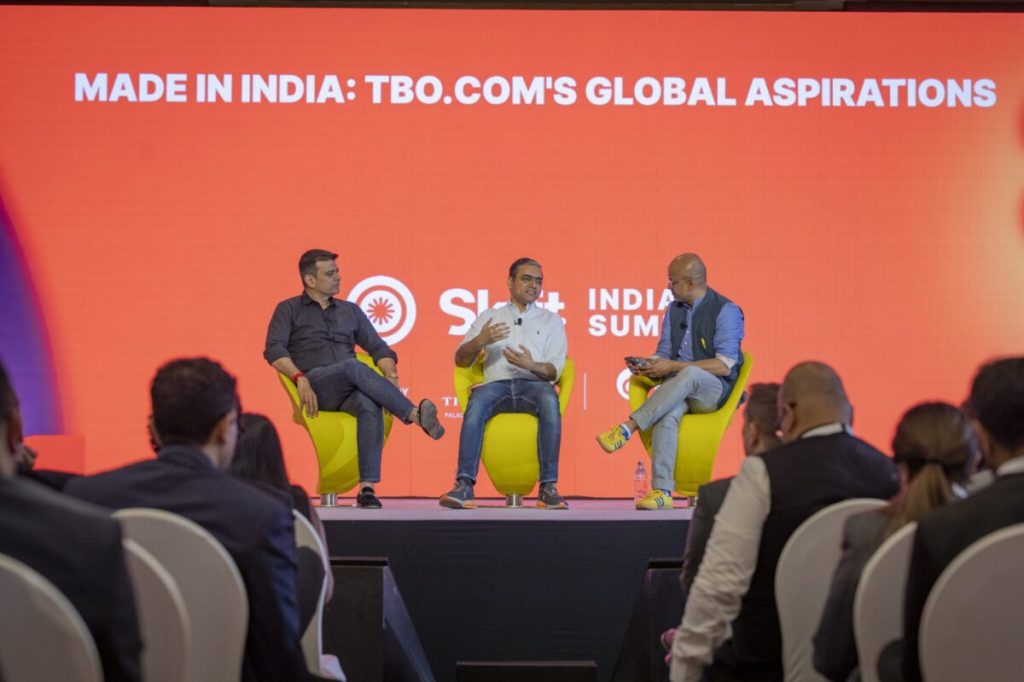
The Classic Vacations acquisition hands TBO a new distribution footprint. It brings higher-value bookings and deep industry relationships. But that also means that TBO’s numbers will look messy until the integration is done.
As India strives to become a destination for meetings, incentives, conferences, and events, the pricing and sales trends around the AI Impact Summit show that Indian hotels now have the ability to charge higher rates, and people are willing to pay.
In India’s big cities, hotels are increasingly being designed around ballrooms rather than beds. Apeejay Surrendra Park Hotels’ decision to cut room count in Kolkata to expand banqueting and conference space shows how weddings and corporate events are becoming the primary drivers of profitability.
Marriott possibly adding a new brand to its India mix points to it using a "something for everybody" approach – allowing it to tap into all segments and act as a one-stop shop for all accommodation needs.
Zo World is choosing to grow before it hops on the IPO bandwagon. Experiential partnerships and global expansion are all on the cards as it looks to outgrow the backpacking hostel chain tag.
Chalet’s Athiva push shows how Indian hotel operators are using rebranding and pricing power and not just occupancy growth, to capture the country’s premium travel boom.
While aircraft manufacturing in India may still be some way off, but the government is already taking steps to make domestic production commercially viable.
The Union Budget’s impact depends largely on where you sit in the travel value chain. For inbound-focused businesses, there is little to celebrate amid muted promotion spends. For outbound players, however, tax relief offers a clear and immediate boost.