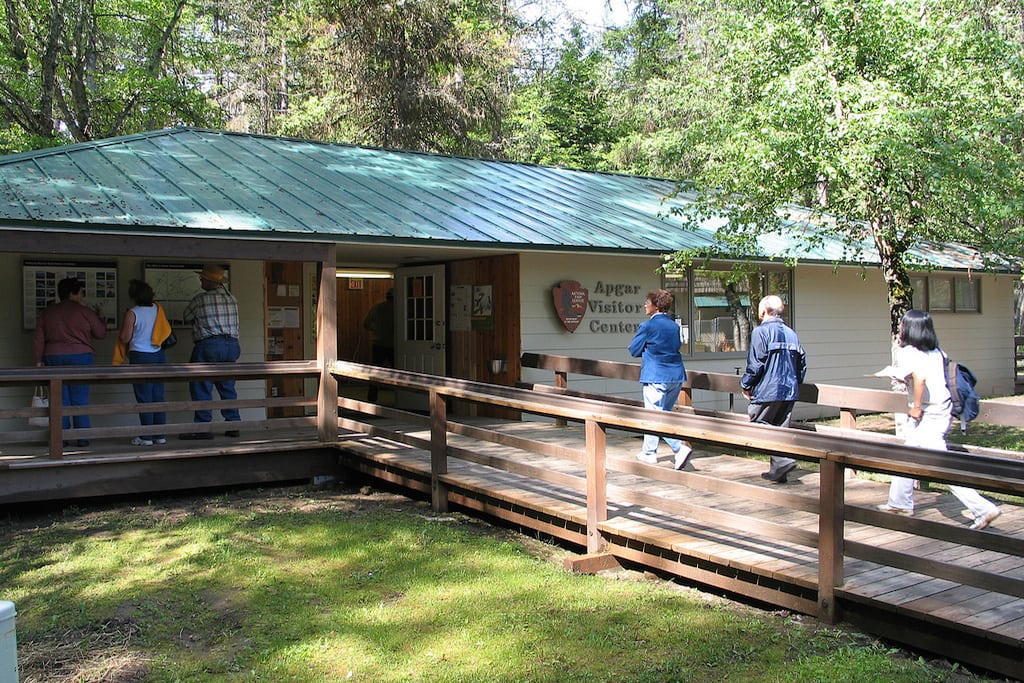
Visitor centers can rebrand themselves as places where travelers can get help both online and in-person. Offering Wi-Fi is a big incentive that gets them closer to the real monetizer: the gift shop.
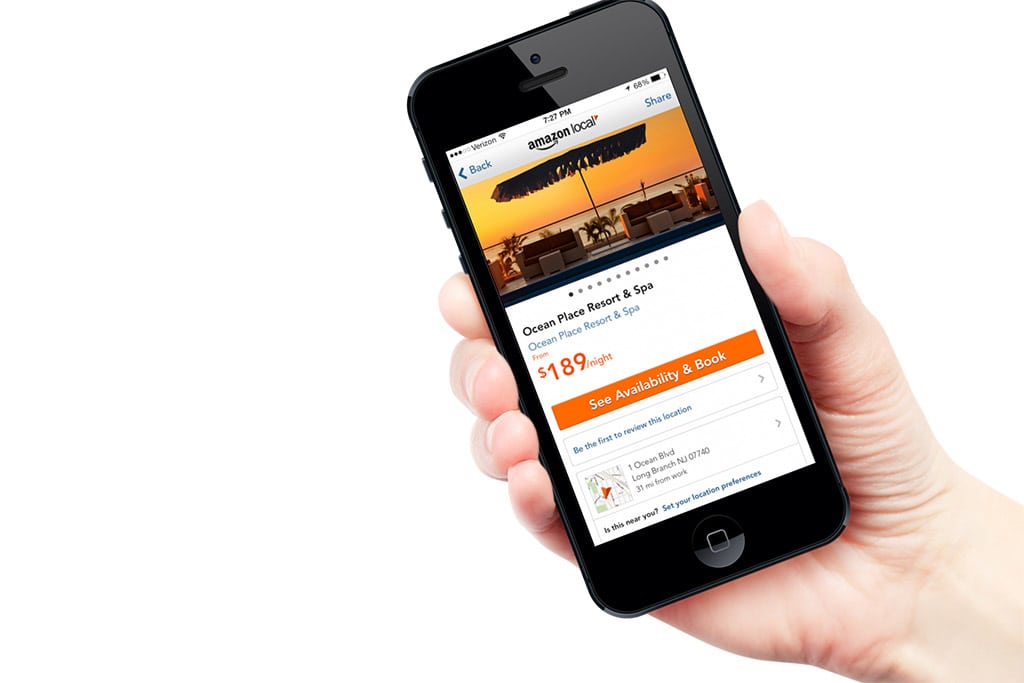
And so it begins. Amazon is experimenting and grasping for new ways to makes its mark in the hotel business. The new effort, which rolled out in the last couple of weeks, has been in the works at least since last Fall. It is modest at this point but no one knows where it is heading.
It's difficult to imagine a single kind of traveler that's underserved in today's market with so many niche services provided online. Despite that, new companies are launched every day to do just that.
We are entering a new mobility era with new players emerging and disrupting travel from the “last mile” up to domestic and regional travel. Mobility providers and aggregators are starting to disrupt the industry by conquering cities, one by one, and aggregating all mode of transportations using digital platforms.
Hotels are moving away from guidebooks and guidelines and learning how to empower their employees to adapt their services and relationships with individual guests.
Google dodged a bullet in 2013 when the FTC terminated its antitrust probe without forcing meaningful concessions or filing suit. Now we know that the rank and file within the FTC wanted to fight it out with Google in court.
The U.S. Travel Association looks at the Open Skies issue from the standpoint of inbound tourism while Delta, United, American and their unions view it from the perspective of their companies and unions. They come to diametrically opposing positions.
With tomorrow's air travel markets moving away from the US and Europe, this is Open Skies kerfuffle is far more than "growing pains" for the global aviation industry.